A practical guide to turmeric powder, curcumin, cooking uses, turmeric shots, tea, black pepper, skin applications, and what research actually says about its health benefits.
Author: Dr. Fakeeha Maryam | Read time: 11 minutes
What Is Turmeric Powder?
Turmeric powder is made by drying and grinding the underground rhizome of Curcuma longa. Although people often call it a root, the culinary part is technically a rhizome, or underground stem. Turmeric belongs to the ginger family and has a long history of culinary and traditional use in South and Southeast Asia.
The bright yellow-orange color comes largely from curcuminoids, a group of compounds that includes curcumin. Turmeric also contains volatile oils and other plant compounds. Its composition can vary with variety, growing conditions, processing, storage and the product itself.
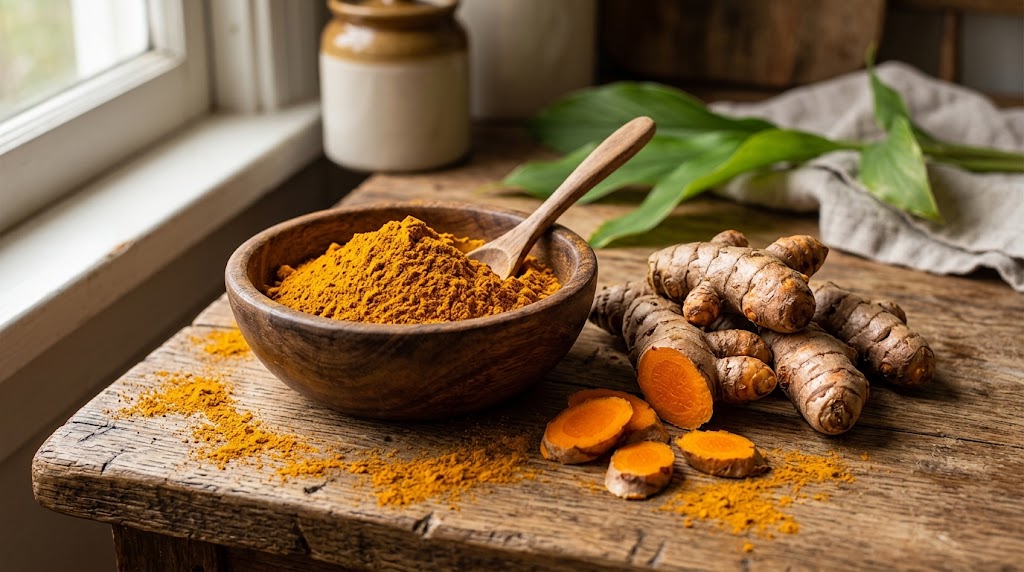
Turmeric Powder vs Fresh Turmeric Root
Fresh turmeric root and turmeric powder come from the same plant, but they are different food forms. Fresh turmeric has a moist texture and a pronounced fresh aroma. Powder is dried and ground, making it convenient for cooking, drinks and spice blends.
When a recipe calls for turmeric powder, use the amount specified rather than assuming fresh and dried turmeric are interchangeable gram for gram. Moisture content and flavor intensity are different.
Turmeric Powder Benefits: What Does the Research Say?
Searches for healthy benefits of turmeric powder often mix culinary turmeric with concentrated curcumin supplements. That distinction matters. Many human studies investigate standardized extracts or formulations designed to increase curcumin absorption rather than ordinary kitchen spice.
Joint comfort and osteoarthritis research
Turmeric and curcumin have been studied for knee osteoarthritis, including pain, stiffness and physical function. Several systematic reviews and meta-analyses have reported potentially helpful effects, but studies differ in formulations, doses and quality. NCCIH describes the evidence as initially positive while noting that higher-quality research is needed for firm conclusions.
A systematic review of randomized trials found that Curcuma longa extracts and curcumin were associated with improvements in several osteoarthritis measures compared with placebo, although uncertainty remains around the evidence. PubMed provides the study details.
Inflammation and antioxidant research
Curcumin has been studied for effects on biological pathways involved in oxidative stress and inflammation. These mechanisms are scientifically interesting, but a laboratory effect does not automatically mean that eating turmeric powder will produce a measurable clinical benefit.
For a food-based approach to overall dietary patterns, see our anti-inflammatory diet guide.
Metabolic and liver-related research
Researchers have investigated turmeric and curcumin in conditions including nonalcoholic fatty liver disease and lipid disorders. NCCIH reports that early findings are promising for some measures, but it remains unclear which outcomes consistently improve and which formulations are responsible.
Digestive wellness
Turmeric has a long history of traditional use for digestive complaints. Modern evidence for specific digestive conditions is more limited. Turmeric is best viewed as a food and culinary spice first, not a substitute for medical evaluation when persistent symptoms occur.
Turmeric Powder Nutrition
Turmeric powder contributes flavor and plant compounds to meals, but it is normally consumed in relatively small quantities. It should not be treated as a major source of protein, fiber or essential micronutrients simply because it contains nutrients on a per-weight basis.
For everyday eating, the practical value of turmeric powder is that it adds color, flavor and variety to meals. Use it with vegetables, legumes, grains, soups and other whole foods as part of an overall balanced diet.
How to Use Turmeric Powder
- Add it to curries, lentils, rice and vegetable dishes.
- Stir it into soups or stews.
- Use it in marinades and spice blends.
- Add it to roasted vegetables.
- Mix it into savory yogurt sauces.
- Use it in warm milk or plant-based drinks.
- Combine it with ginger in tea.
Turmeric Powder and Black Pepper
Turmeric powder and black pepper are frequently paired because piperine, a compound in black pepper, can increase curcumin bioavailability. This is one reason some curcumin supplements include piperine or black pepper extract.
Increased absorption is not automatically the same as a greater health benefit. NCCIH notes that curcumin products vary substantially in composition and that enhanced-bioavailability formulations may have different safety considerations. Liver injury has been reported with some highly bioavailable curcumin products.
For ordinary cooking, black pepper is optional. You do not need black pepper to enjoy turmeric powder as a spice.
Turmeric Powder Shots
Turmeric powder shots are small drinks commonly made with turmeric, water or juice and ingredients such as ginger, lemon or black pepper. They are convenient, but they remain food or beverage preparations rather than proven medical treatments.
Adding more turmeric does not necessarily make a shot more beneficial. Concentrated preparations can also be harder on the stomach for some people.
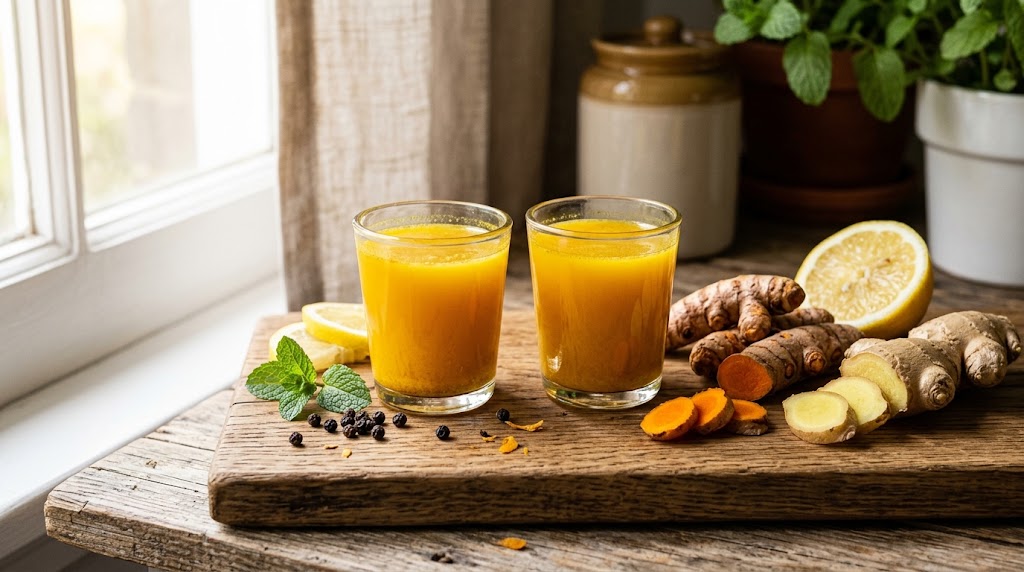
Ginger Turmeric Powder Tea
Ginger turmeric powder tea is a simple way to use these two spices. A basic version can combine hot water with a small amount of turmeric powder and fresh or powdered ginger. Lemon can be added for flavor.
Simple ginger turmeric tea recipe
- 1 cup hot water
- About 1/4 teaspoon turmeric powder, adjusted to taste
- A small amount of ginger, fresh or powdered
- Lemon juice if desired
- A pinch of black pepper if desired
Stir well and drink once comfortable to sip. If turmeric causes reflux or stomach discomfort, reduce the amount or stop using it.
Organic Turmeric Powder: Is It Different?
Organic turmeric powder is produced under the applicable organic certification standards for its market. Organic certification does not automatically mean that a product contains more curcumin or provides greater health benefits.
When buying turmeric, look at the ingredient list, country of origin, processing information, packaging quality and available quality testing. For supplements, compare the Supplement Facts panel rather than relying on the word organic alone.
Turmeric Powder for Face and Skin
Turmeric has a long history of cosmetic and traditional topical use, which explains searches for turmeric powder face and turmeric powder skin. Evidence for using kitchen turmeric powder to treat specific skin conditions is limited.
Turmeric can stain skin and fabrics, and topical preparations can cause irritation or allergic reactions in sensitive people. If you try a homemade preparation, a small patch test is more sensible than applying a large amount over the face.
Do not use turmeric powder on broken skin or as a substitute for evaluation of a persistent rash, infection, wound or changing skin lesion.

Turmeric Powder as a Familiar Spice
Among spices turmeric powder is especially recognizable for its golden color and earthy, slightly bitter flavor. It is commonly used in South Asian cooking and appears in many spice blends and prepared foods.
It works particularly well with cumin, coriander, ginger, garlic and black pepper.
Turmeric Powder and Ginger
Turmeric powder and ginger are often combined in teas, soups and spice blends. Both belong to the Zingiberaceae family, although they are different plants. Ginger is the rhizome of Zingiber officinale, while culinary turmeric generally comes from Curcuma longa.
Combining the two creates a warm, aromatic flavor profile. It does not mean that the combination has been proven to prevent or treat disease.
How Much Turmeric Powder Should You Use?
For cooking, use the amount required by the recipe or adjust it to taste. There is no universal culinary dose that needs to be reached for a health effect.
Do not automatically translate a clinical curcumin dose into spoonfuls of kitchen turmeric. Turmeric powder contains a mixture of compounds, and its curcumin concentration can vary. Supplement formulations may be standardized or modified to increase absorption.
Turmeric Powder Safety and Side Effects
Ordinary culinary use and concentrated turmeric supplements are not equivalent. NCCIH reports that conventionally formulated oral turmeric is likely safe in recommended amounts for up to two or three months, while also noting possible nausea, vomiting, acid reflux, stomach upset, diarrhea and constipation.
Some highly bioavailable curcumin formulations have been associated with liver injury. Warning symptoms can include unusual fatigue, nausea, poor appetite, dark urine or jaundice. Anyone who develops these symptoms after starting a turmeric or curcumin product should stop the product and seek medical advice.
Who Should Be More Careful With Turmeric Supplements?
- People taking prescription or over-the-counter medicines.
- People with liver or gallbladder concerns.
- People who are pregnant and considering concentrated turmeric supplements.
- People who are breastfeeding and considering amounts above normal food use.
- People who have previously reacted to turmeric or related botanicals.
- People preparing for surgery or using several supplements at once.
These cautions apply more strongly to concentrated supplements than to normal culinary use. The form, amount and formulation matter.
Turmeric Powder vs Curcumin Supplements
| Feature | Turmeric powder | Curcumin supplement |
|---|---|---|
| Typical purpose | Food and flavor | Concentrated dietary supplement |
| Main compounds | Curcuminoids plus other turmeric constituents | Often standardized around curcuminoids |
| Concentration | Generally used in small culinary amounts | Usually much more concentrated |
| Bioavailability | Naturally limited | Some products are designed to increase absorption |
| Safety considerations | Primarily associated with food use | More relevant when dose and absorption are increased |
How to Choose a Good Turmeric Powder
If you want the best turmeric powder for cooking, focus on quality and suitability for food rather than assuming the highest curcumin content is always preferable.
- Choose a product clearly labeled for culinary use.
- Check the ingredient list for unnecessary additives.
- Look for reputable packaging and storage information.
- Consider organic certification if it matters to your purchasing criteria.
- Buy an amount you can use while it is still fresh and aromatic.
Can Turmeric Powder Replace Medical Treatment?
No. Turmeric is a useful culinary spice and an active area of research, but it should not replace diagnosis or prescribed treatment. NCCIH states that there is not enough evidence to definitively conclude that turmeric or curcumin is beneficial for many proposed health purposes.
Frequently Asked Questions
What are the healthy benefits of turmeric powder?
Turmeric powder provides plant compounds including curcuminoids. Research has investigated possible effects on joint symptoms, oxidative stress and inflammation-related pathways, but evidence depends heavily on formulation and condition.
Can I use turmeric powder every day?
Using turmeric as a normal culinary spice is different from taking a concentrated supplement every day. For supplements, follow the product label and discuss long-term use with a healthcare professional when appropriate.
Does turmeric powder and black pepper work better together?
Black pepper contains piperine, which can increase curcumin absorption. That explains the pairing, but greater absorption does not automatically prove greater clinical benefit.
What are turmeric powder shots good for?
They are a convenient way to consume turmeric in a small drink. They can be part of a balanced diet, but they have not been established as a cure or preventive treatment for disease.
Is organic turmeric powder healthier?
Organic certification describes production standards. It does not by itself prove that the powder contains more curcumin or has greater health effects.
Can turmeric powder be used on the face?
Turmeric has traditional cosmetic uses, but evidence for treating skin conditions with kitchen turmeric powder is limited. It can stain and may irritate sensitive skin.
What is the difference between turmeric powder and curcumin?
Turmeric powder is a whole-food spice made from dried turmeric rhizome. Curcumin is one group of compounds found in turmeric and is often concentrated in supplements.
Key Takeaways
- Turmeric powder is dried and ground turmeric rhizome and is primarily a culinary spice.
- Curcumin is a major turmeric compound, but turmeric powder and concentrated curcumin supplements are not equivalent.
- Research is most developed around areas such as joint symptoms, but conclusions vary by formulation and study quality.
- Turmeric powder and black pepper can be paired because piperine increases curcumin bioavailability.
- Turmeric powder shots and ginger turmeric powder tea are convenient food preparations, not disease treatments.
- Organic turmeric powder can be a reasonable purchasing choice, but organic certification does not automatically mean greater health benefits.
- Use extra caution with concentrated, high-bioavailability curcumin products because liver injury has been reported with some formulations.
Related Reading
- The Anti-Inflammatory Diet: A Complete 30-Day Plan
- Foods That Lower Cortisol Naturally: What the Science Actually Says
- 7 Natural Remedies to Heal Your Gut in 30 Days
- Moringa Powder: Benefits, Nutrition, Uses & Safety
- The Ultimate Free Wellness Toolkit
Sources and Further Reading
- NCCIH: Turmeric, for evidence, uses, bioavailability and safety.
- PubMed: Efficacy and safety of Curcuma longa extract and curcumin supplements on osteoarthritis.
- PubMed: Efficacy and safety of turmeric extracts for knee osteoarthritis.
- PubMed: Curcumin bioavailability and pepper co-ingestion.
- NCCIH: Safe Use of Complementary Health Products and Practices.