If you've been feeling wired but exhausted, holding onto stubborn belly weight despite eating well, or noticing puffiness in your face, you've probably come across the word "cortisol" somewhere in your search for an explanation. Cortisol has become one of the most talked-about hormones in wellness content, and while some of that attention is justified, plenty of it oversimplifies or exaggerates what's actually happening in your body.
This article is for general educational purposes and isn't a substitute for medical advice. If you suspect a genuine hormonal imbalance, talk to a doctor, some symptoms attributed to "high cortisol" online can also indicate other conditions that deserve proper testing.
What Is Cortisol, and Why Does It Matter?

Cortisol is a hormone released by your adrenal glands, often called the "stress hormone," though that's a bit of an oversimplification. Cortisol helps regulate blood sugar, blood pressure, metabolism, inflammation, and your sleep-wake cycle. You need cortisol to function, it's not inherently bad. The problem arises when cortisol stays chronically elevated due to ongoing stress, poor sleep, or other lifestyle factors, rather than rising and falling as it naturally should throughout the day.
Signs of High Cortisol

Chronically elevated cortisol can contribute to a real, documented set of symptoms, including weight gain (particularly around the midsection), sleep problems, constant fatigue despite adequate rest, skin changes like thinning or easy bruising, and mood changes including irritability and anxiety. These are genuine physical effects, not vague wellness claims.
Is "Cortisol Face" and "Cortisol Belly" Real?
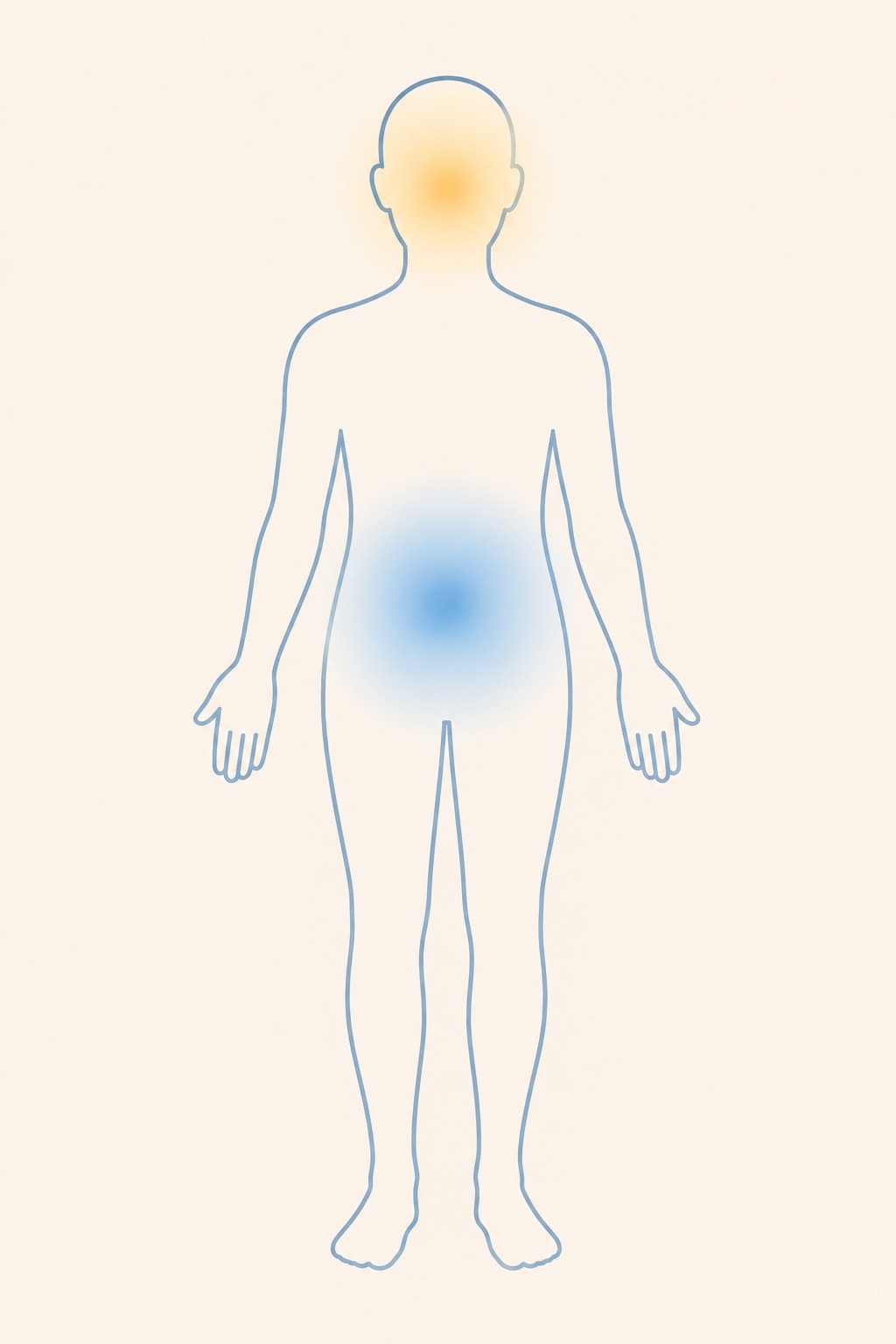
This is worth addressing honestly, since both terms have become popular on social media and get used far more loosely than their medical basis actually supports.
"Cortisol belly" refers to the tendency for chronic stress and elevated cortisol to encourage fat storage specifically around the abdomen, deep visceral fat cells have a higher density of cortisol receptors than fat elsewhere in the body, making the midsection more responsive to cortisol's effects. This part has real physiological grounding. That said, belly fat is also driven by sleep quality, overall diet, genetics, and total calorie balance, cortisol is one contributing factor among several, not the sole cause.
"Cortisol face" is a looser, non-medical term describing facial puffiness or a rounder appearance attributed to stress. The medically recognized version of this is called "moon face" or Cushingoid facies, and according to the Cleveland Clinic, this typically results from long-term corticosteroid medication use or genuine hormonal conditions like Cushing's syndrome, involving significant, prolonged cortisol elevation, not the everyday stress of a hard week. If you're noticing persistent facial rounding alongside other symptoms like unusual weight gain, purple stretch marks, or muscle weakness, that combination is worth bringing to a doctor rather than assuming it's simply "cortisol face" from ordinary stress.
Foods That May Help Lower Cortisol
Magnesium-Rich Foods
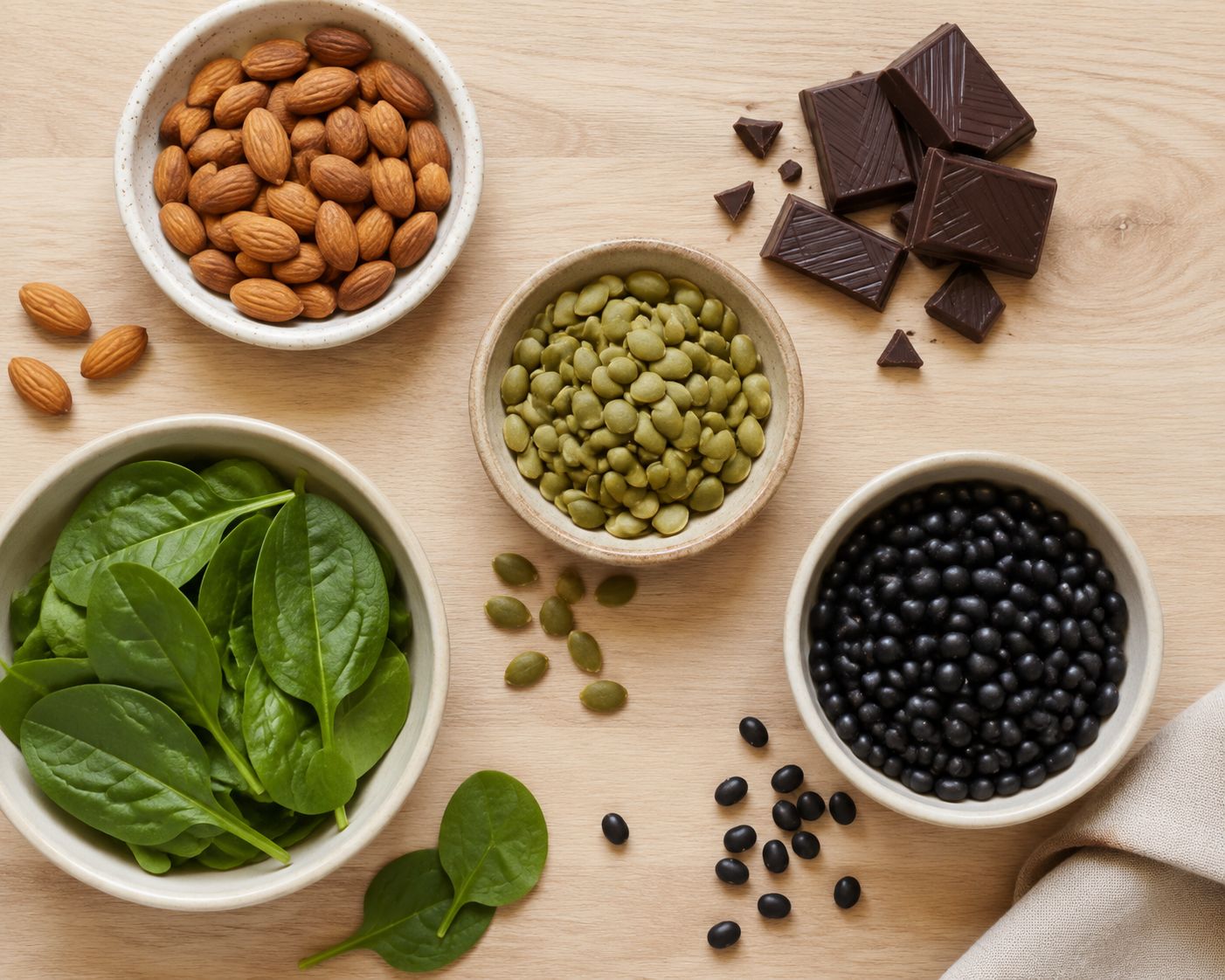
Magnesium has some of the more solid research behind it. A randomized controlled trial found that combining magnesium with vitamin B6 produced greater stress reduction than magnesium alone in adults with low magnesium levels and elevated stress (Pouteau et al., published via PMC). Good food sources include leafy greens, pumpkin seeds, almonds, black beans, and dark chocolate (70%+ cacao).
Omega-3 Fatty Acids
Omega-3s, found in fatty fish like salmon and sardines, walnuts, and chia seeds, support brain function and help reduce inflammation, which is linked to more stable cortisol regulation over time.
Vitamin B-Rich Foods
B vitamins, particularly B6, play a role in neurotransmitter production and stress regulation. Bananas, poultry, fish, and leafy greens are good sources.
Gut-Healthy Foods
Since gut health and the stress-hormone system (the HPA axis) are closely connected, fiber-rich foods and fermented foods like yogurt, kefir, and sauerkraut can indirectly support healthier cortisol regulation.
What About Adaptogens Like Ashwagandha?

Ashwagandha is one of the more researched adaptogens for this specific purpose. A systematic review and meta-analysis of randomized controlled trials found that ashwagandha supplementation was associated with a statistically significant reduction in serum cortisol levels compared to placebo, along with improvements in perceived stress and anxiety scores (systematic review and meta-analysis, via PMC). It's worth noting that not every study agrees on the size of the effect, and supplements should be discussed with a doctor, particularly if you're on other medications.
Foods and Habits That May Raise Cortisol
Lifestyle Habits Beyond Diet

Diet is only part of the picture. Morning sunlight exposure helps regulate your natural cortisol rhythm, consistent sleep schedules support healthy cortisol patterns, and regular low-to-moderate intensity movement (rather than excessive high-intensity exercise, which can itself spike cortisol short-term) tends to support better long-term regulation. Stress management practices like breathing exercises, therapy, or simply adequate downtime matter just as much as what you eat.
How Long Does It Take to Lower Cortisol?
There's no universal timeline, and cortisol regulation is a genuinely gradual process. Some research on magnesium and ashwagandha supplementation shows measurable changes within 4 to 8 weeks of consistent use, but this varies significantly by individual, baseline stress levels, and consistency of the underlying habits (sleep, diet, stress management) surrounding it. Anyone promising a fast, dramatic cortisol "reset" in days is oversimplifying a slow, multi-factor biological process.
When to See a Doctor

Dietary and lifestyle changes can meaningfully support healthy cortisol regulation, but they are not a treatment for genuine hormonal disorders. If you're experiencing a cluster of symptoms, including significant unexplained weight gain, purple stretch marks, muscle weakness, or persistent facial rounding, alongside general stress-related symptoms, it's worth getting evaluated for conditions like Cushing's syndrome rather than assuming it's simply everyday stress.
Frequently Asked Questions
What foods lower cortisol the fastest?
No food lowers cortisol instantly. Magnesium-rich foods, omega-3s, and fiber-rich, gut-supportive foods have the most consistent research support for gradual cortisol regulation over weeks, not immediate effects.
Is cortisol belly fat real?
The connection between chronic stress, elevated cortisol, and abdominal fat storage has real physiological grounding, since visceral fat cells have more cortisol receptors than fat elsewhere. However, belly fat is influenced by multiple factors beyond cortisol alone, including sleep, overall diet, and genetics.
Is cortisol face a real medical condition?
The medically recognized version, called moon face or Cushingoid facies, is real but typically requires significant, prolonged cortisol elevation, usually from long-term steroid use or a condition like Cushing's syndrome, not ordinary daily stress. Persistent facial rounding alongside other symptoms should be evaluated by a doctor.
Does ashwagandha really lower cortisol?
Multiple randomized controlled trials and meta-analyses have found ashwagandha supplementation associated with statistically significant reductions in cortisol levels, though individual responses vary and it should be discussed with a doctor before starting, especially alongside other medications.
Sources cited include a randomized controlled trial on magnesium and vitamin B6 supplementation, a systematic review and meta-analysis on ashwagandha and cortisol, and Cleveland Clinic's clinical resources on Cushing's syndrome and moon face.