Your gut is not just where food gets digested. It is where your immune system lives, where your mood gets regulated, and where the difference between feeling tired and feeling energized is decided every single day. And right now, gut health is the fastest-growing health topic on the internet — because millions of people are finally connecting the dots between a damaged gut and problems they never linked to digestion at all.
Bloating. Brain fog. Skin breakouts. Anxiety. Constant fatigue. Poor sleep. These are not random. In many cases, they trace back to one root cause: an imbalanced gut microbiome.
The good news is you do not need expensive probiotic supplements, complex protocols, or a doctor's prescription to start healing. The remedies that consistently show up in the research are sitting in grocery stores right now. This guide walks you through seven of them, explains exactly how each one works, and gives you a practical 30-day approach to actually using them.
What Is Gut Health and Why Does It Matter So Much Right Now
Your gut microbiome is a community of trillions of bacteria, fungi, and other microorganisms living in your digestive tract. When this community is diverse and balanced, it performs remarkable functions: breaking down fiber into short-chain fatty acids that reduce inflammation, producing around 90% of your body's serotonin, regulating your immune response, and maintaining the tight junctions in your intestinal lining that keep harmful particles out of your bloodstream.
When that balance is disrupted — by antibiotics, a diet high in processed food, chronic stress, poor sleep, or environmental toxins — the result is what researchers call gut dysbiosis. The intestinal lining becomes permeable, a condition commonly called leaky gut, and inflammatory compounds begin entering the bloodstream. From there, inflammation spreads systemically, showing up as skin issues, mood disorders, hormonal imbalances, autoimmune flares, and metabolic problems.
Healing the gut does not require eliminating every problem at once. It requires consistently giving your microbiome the right inputs. These seven natural remedies do exactly that.
7 Natural Remedies to Heal Your Gut in 30 Days
1. Fermented Foods — The Fastest Way to Rebuild Gut Bacteria

Fermented foods are the most direct way to introduce beneficial bacteria into your gut without taking a single pill. Kimchi, sauerkraut, plain kefir, miso, and plain yogurt with live cultures all contain live probiotic strains that colonize your gut lining, crowd out harmful bacteria, and produce compounds that reduce intestinal inflammation.
A landmark Stanford University study published in Cell found that people who ate a diet high in fermented foods for ten weeks showed significantly increased microbiome diversity and decreased markers of inflammation compared to a high-fiber control group. The fermented food group also showed reductions in 19 inflammatory proteins, including one linked to Type 2 diabetes and rheumatoid arthritis.
How to use it: Add two to three tablespoons of unpasteurized sauerkraut or kimchi to one meal per day. Pasteurized versions from regular grocery stores have the live bacteria killed during heat processing — check the label for "live and active cultures" or buy from the refrigerated section. Alternatively, replace your morning orange juice with 150ml of plain kefir.
Start small. Adding too much fermented food too quickly when your gut is already compromised can cause temporary bloating as the bacteria shift. Build up over the first two weeks.
2. Bone Broth — The Leaky Gut Repair Tool
If leaky gut is your primary concern, bone broth deserves a dedicated place in your daily routine for the next 30 days. Bone broth made from simmering animal bones for 12 to 24 hours is exceptionally rich in collagen, gelatin, glutamine, and glycine — compounds that directly support the repair of the intestinal lining.
Glutamine in particular is the primary fuel source for intestinal epithelial cells, the cells that form the wall of your gut lining. When your gut is inflamed or permeable, glutamine demand increases significantly. Bone broth delivers it in a bioavailable, easily absorbed form that supplements rarely match.
Gelatin, derived from collagen during the long cooking process, coats and soothes the gut lining, reduces irritation, and helps restore the protective mucus layer that acts as a first line of defense between your gut contents and your bloodstream.
How to use it: Drink one cup of homemade or high-quality store-bought bone broth daily, either in the morning on an empty stomach or as a base for soups and stews. Look for broth that gels when refrigerated — that gelatin content is the indicator of quality. Clear, watery broths from standard cartons contain very little therapeutic value.
3. Ginger — Nature's Most Effective Gut Motility Remedy
Ginger has been used medicinally for over 2,000 years, and modern gastroenterology research has confirmed what traditional medicine always claimed: ginger is one of the most effective natural compounds for improving gut motility, reducing bloating, and calming gut inflammation.
The active compounds in ginger, primarily gingerols and shogaols, work through several mechanisms simultaneously. They accelerate gastric emptying — the rate at which food moves from your stomach into the small intestine — which directly addresses the slow transit time behind bloating and that uncomfortable "full" feeling that persists hours after eating. They also inhibit pro-inflammatory prostaglandins in the gut lining and have demonstrated anti-nausea effects comparable in some studies to pharmaceutical options.
For people dealing with small intestinal bacterial overgrowth (SIBO), IBS symptoms, or chronic bloating, ginger's ability to improve motility is particularly valuable because stagnant gut contents create the perfect environment for bacterial overgrowth.
How to use it: Fresh ginger is more potent than dried. Grate one teaspoon of fresh ginger into hot water with lemon every morning, or add it liberally to cooking. For a more therapeutic dose, make ginger tea by simmering two to three slices of fresh ginger in two cups of water for 10 minutes. Drink it 20 minutes before meals.
4. High-Fiber Prebiotic Foods — Feed the Good Bacteria You Already Have
Probiotics get all the attention, but prebiotics are equally important — and often more overlooked. Prebiotics are specific types of dietary fiber that your body cannot digest but your gut bacteria can. They serve as the food supply for beneficial strains like Lactobacillus and Bifidobacterium, allowing them to grow and outcompete harmful bacteria.
The best natural prebiotic foods include garlic, onions, leeks, asparagus, Jerusalem artichokes, green bananas, oats, and chicory root. When gut bacteria ferment these fibers, they produce short-chain fatty acids (SCFAs) like butyrate, propionate, and acetate. Butyrate in particular is the primary energy source for colon cells and has strong anti-inflammatory and anti-cancer properties in the gut.
Research consistently shows that higher dietary fiber intake is the single strongest predictor of microbiome diversity, and microbiome diversity is the single strongest indicator of gut health. Populations that eat 30 or more different plant foods per week show dramatically more diverse gut microbiomes than those eating fewer than 10.
How to use it: Aim to eat at least five different prebiotic-rich vegetables per week and build toward the "30 plants" target over the 30-day period. Raw garlic and onions have the highest prebiotic content but cooked versions still deliver benefit. Slightly underripe bananas have significantly more resistant starch — a powerful prebiotic — than fully ripe ones.
5. Apple Cider Vinegar — Stomach Acid Support and Microbiome Balance
Apple cider vinegar (ACV) is one of the most talked-about natural remedies on the internet, but the mechanism behind why it helps gut health is rarely explained clearly. The primary benefit is not some vague "detox" effect — it's stomach acid support.
Low stomach acid, a condition called hypochlorhydria, is far more common than most people realize and is a direct driver of gut problems. When stomach acid is insufficient, food is not properly broken down before it reaches the small intestine, undigested proteins trigger inflammation, and the pH environment that should kill harmful bacteria and pathogens entering via food is compromised. The result is bacterial overgrowth, bloating, reflux, and nutrient malabsorption.
Apple cider vinegar's acetic acid content helps lower the pH of the stomach environment before meals, mimicking the role of stomach acid and improving protein digestion. The raw, unfiltered kind also contains the "mother" — strands of proteins, enzymes, and friendly bacteria that have mild probiotic properties.
How to use it: Mix one tablespoon of raw, unfiltered apple cider vinegar with "the mother" into a large glass of water and drink it 15 to 20 minutes before your largest meal of the day. Do not take it straight — the acidity can damage tooth enamel and esophageal tissue. Always dilute. If you experience burning, reduce to one teaspoon and build up.
6. Turmeric and Black Pepper — Systemic Gut Inflammation Reduction
Chronic gut inflammation is the underlying driver of most gut disorders, from IBS and Crohn's disease to non-specific bloating and leaky gut. Curcumin, the active compound in turmeric, is one of the most extensively studied natural anti-inflammatory compounds in existence, with over 3,000 published studies examining its effects.
Curcumin works by blocking NF-kB, a molecule that travels into the nuclei of cells and activates genes related to inflammation. It reduces the production of inflammatory cytokines in the gut lining and has shown benefit in clinical trials for reducing symptoms in inflammatory bowel conditions. It also supports the growth of Bifidobacterium and Lactobacillus while reducing the growth of harmful bacterial strains.
The one critical point: curcumin has very poor bioavailability on its own. Your body absorbs very little of it without help. Black pepper contains piperine, a compound that increases curcumin absorption by up to 2,000% by inhibiting the liver's rapid metabolism of it. This is not a small difference — it determines whether you get a therapeutic effect or close to nothing.

How to use it: Add one teaspoon of turmeric and a generous grind of black pepper to soups, stews, scrambled eggs, or golden milk (turmeric mixed with warm plant-based milk). For golden milk, combine one cup of unsweetened almond milk, one teaspoon turmeric, half a teaspoon of black pepper, and a small amount of honey. Drink it nightly for the full 30 days and the anti-inflammatory effect compounds over time.
7. Adequate Hydration and Aloe Vera Juice — Soothe and Protect the Gut Lining
Water is not glamorous, but chronic mild dehydration is one of the most underestimated contributors to poor gut function. The mucus layer that lines your intestinal wall — your gut's first physical defense against irritants — is almost entirely water-dependent. When you are consistently under-hydrated, this protective layer thins, the gut lining becomes more vulnerable to irritation, and motility slows significantly, leading to constipation and stagnant gut contents.
Aloe vera juice — the inner leaf gel variety, not latex-containing aloe — adds a meaningful layer of gut soothing on top of basic hydration. It contains acemannan, a polysaccharide with demonstrated anti-inflammatory properties in the gut lining, and has been used in clinical settings to reduce symptoms in people with irritable bowel syndrome and acid reflux. A 2013 study published in the Journal of Research in Medical Sciences found that aloe vera syrup significantly reduced the frequency of symptoms in IBS patients compared to placebo.
How to use it: Drink a minimum of 2 to 2.5 liters of water daily throughout the 30 days. Add two tablespoons of inner-leaf aloe vera juice (look for products labeled "inner fillet" or "inner leaf" only, with no aloin) to a glass of water each morning. Pure aloe vera juice has a mild, slightly bitter taste — mix it with a small amount of fresh lemon juice if needed.

Your 30-Day Gut Healing Plan — How to Put This All Together
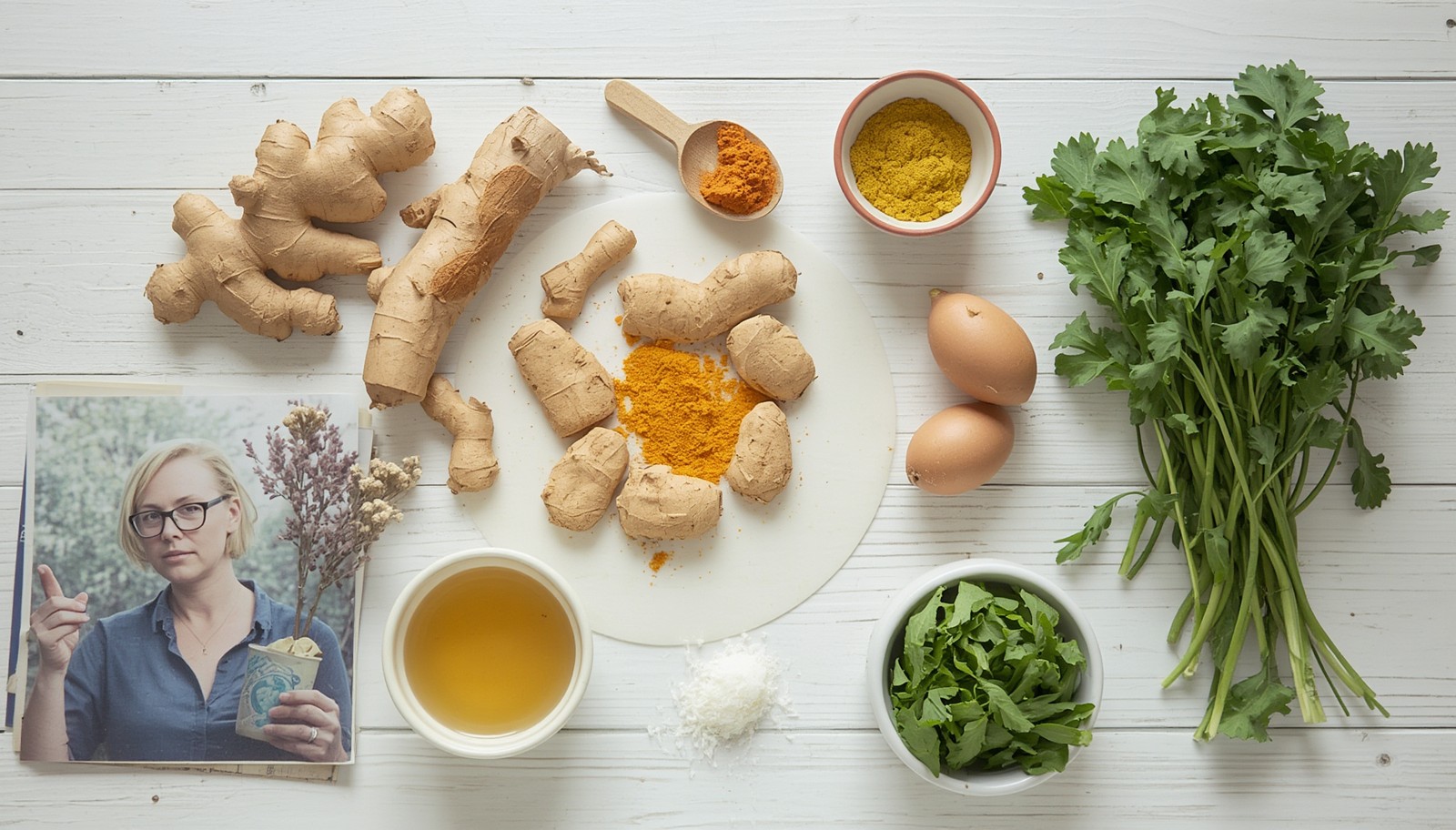
You do not need to introduce all seven remedies on day one. Flooding a compromised gut with too many changes at once often makes symptoms temporarily worse before they improve, which discourages people into quitting. A phased approach works better and produces more sustainable results.
Week 1 — Foundation: Start hydration optimisation and add apple cider vinegar before one meal per day. Introduce one fermented food serving daily. These three changes have the most immediate impact on digestion and are the gentlest starting point.
Week 2 — Add Anti-Inflammatory Support: Introduce turmeric and black pepper daily through cooking or golden milk. Begin drinking one cup of bone broth each morning.
Week 3 — Prebiotic Diversity: Focus on eating five or more different prebiotic vegetables per week. Add ginger tea before meals, especially on days when bloating is noticeable.
Week 4 — Reinforce and Assess: All seven remedies should now be part of your daily and weekly routine. Use week four to notice what has changed — energy levels, bloating frequency, stool consistency, skin clarity, and mood are all gut health indicators. What improves tells you which remedies your body responded to most.
Signs Your Gut Is Actually Healing
Progress is not always visible immediately, but these are reliable indicators that your gut microbiome is shifting in the right direction: reduced frequency and severity of bloating, more regular and comfortable bowel movements, less brain fog by mid-morning, improved energy without caffeine dependency, clearer skin, reduced food sensitivities, and more stable mood throughout the day.
Some people notice changes within the first two weeks. Others, particularly those with longer-standing gut dysbiosis or a history of antibiotic use, take the full 30 days or longer. Consistency matters far more than perfection.
What to Avoid During Your 30-Day Gut Reset
These seven remedies work best when you simultaneously reduce the inputs that created the problem. The most damaging gut disruptors are ultra-processed foods with artificial emulsifiers (which directly damage the intestinal mucus layer), excess sugar that feeds harmful bacterial strains, alcohol which increases intestinal permeability, and chronic sleep deprivation which disrupts the circadian rhythms your gut bacteria operate on.
You do not need to be perfect. Eliminating 70 to 80% of these disruptors while consistently adding the seven remedies is enough to move the needle meaningfully in 30 days.
Final Thought
Gut health is not a trend that will pass. It is foundational biology — the kind that determines how you feel, think, and function every single day. The remedies on this list are not hacks or shortcuts. They are the inputs your gut microbiome was designed to work with, most of which modern diets have systematically removed.
Pick two or three from this list that feel most accessible to you and start tomorrow. Add more in week two. By day 30, you will have built a daily routine that does more for your long-term health than almost any supplement on the market could.
Note: This article is for informational purposes only and does not constitute medical advice. If you have a diagnosed gut condition such as Crohn's disease, ulcerative colitis, or SIBO, consult a qualified healthcare provider before making significant dietary changes.