Quick answer: Hormonal acne is driven by androgens increasing oil production in the skin, which is why it clusters along the jawline, chin and neck and often flares in the week before a period. A small number of natural approaches have real trial data behind them, including spearmint tea and lowering the glycemic load of your diet. Most others do not. Natural approaches manage hormonal acne rather than cure it, and deep painful nodules or any scarring need a dermatologist rather than home treatment.
What hormonal acne actually is
Hormonal acne is not a separate disease from other acne. It is acne vulgaris in which androgen activity is the dominant driver.
Androgens, including testosterone and its more potent form dihydrotestosterone, bind to receptors in the sebaceous glands. This increases sebum production. Excess sebum mixes with dead skin cells, blocks the follicle, and creates the environment in which Cutibacterium acnes proliferates and inflammation follows.
Two things make this pattern recognisable:
Importantly, most women with hormonal acne have androgen levels within the normal laboratory range. The issue is usually how sensitive the skin receptors are, not how much hormone is circulating. This is why a normal blood test does not rule out hormonal acne.
How to tell hormonal acne from other acne
Getting this right matters, because the approaches below are aimed at androgen driven acne specifically and will do little for other types.
Signs it is hormonal acne
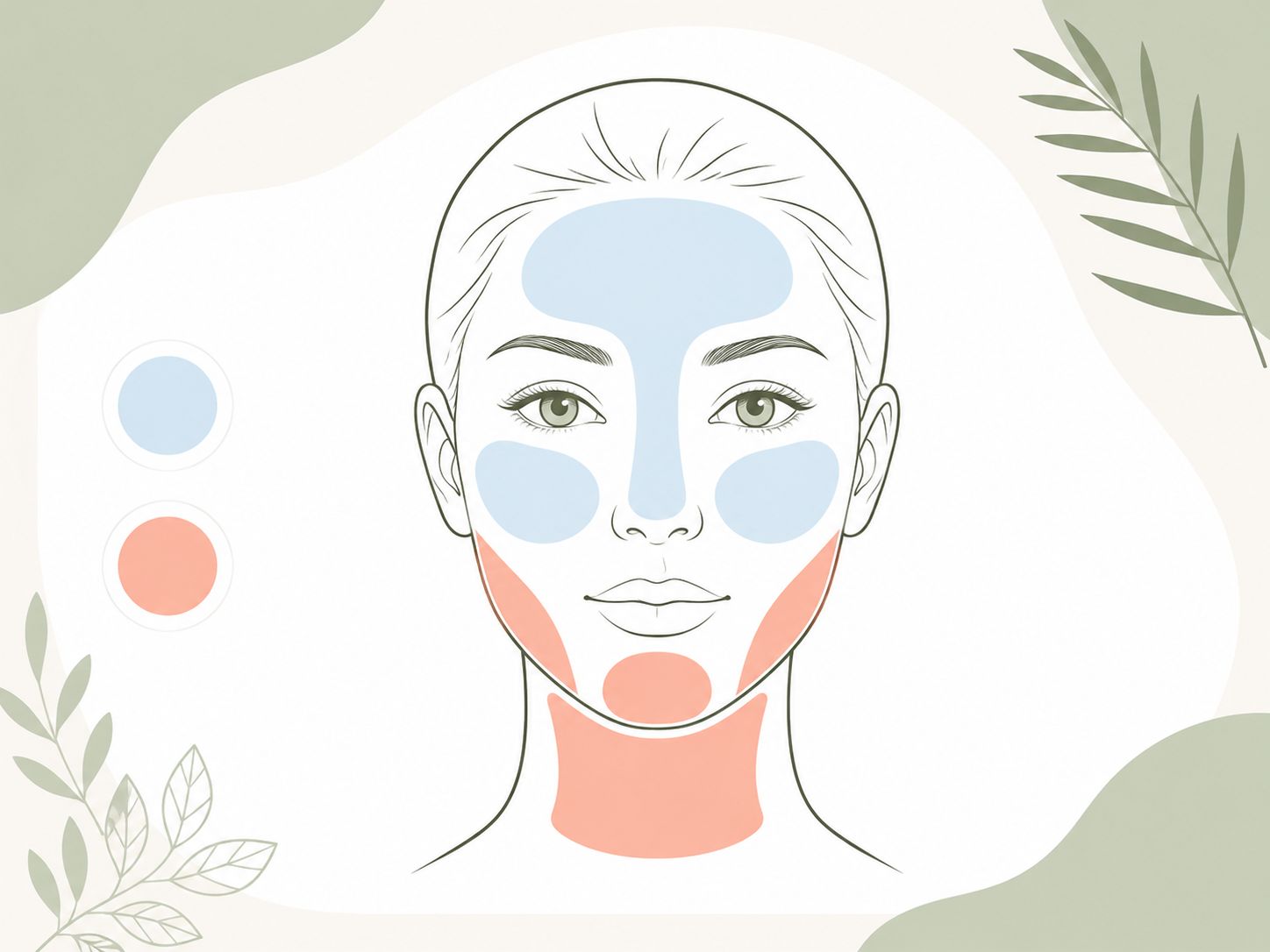
Signs it is another type of acne
If your breakouts sit mainly on the forehead and are surface level and non cyclical, the sections below are unlikely to help much. Look at products, friction from hats or helmets, and cleansing routine instead.
Diet and hormonal acne: what the evidence shows
This is the area with the most research and also the most overstatement online. Here is where the evidence genuinely sits.

Glycemic load: the strongest dietary signal
High glycemic index and high glycemic load foods raise insulin, which raises insulin-like growth factor 1, which in turn increases androgen activity and sebum production. That is a plausible mechanism, and it has trial support.
A 2022 systematic review in JAAD International, which screened 410 articles and included 34, concluded that high glycemic index and increased daily glycemic load were positively associated with acne development and severity, an observation supported by randomised controlled trials. The authors described the effect as modest but significant. The earlier randomised trial by Smith and colleagues, published in the Journal of the American Academy of Dermatology in 2007, compared a high protein low glycemic load diet against a conventional high glycemic load diet and found improvement in the low glycemic load group.
The counterpoint you should know about. A 2025 systematic review and meta analysis published in Medicinus, pooling five studies covering 716 participants, found no statistically significant association for glycemic load, glycemic index, or dairy consumption, with wide confidence intervals and high heterogeneity between studies. The evidence is real but it is not settled, and anyone telling you a low glycemic diet reliably clears acne is going beyond what the data supports.
Dairy: weaker and inconsistent
Dairy, particularly skim milk, has been associated with acne in observational studies. The proposed mechanism involves whey proteins and their insulinotropic effect rather than fat content. However the 2022 JAAD International review described the dairy literature as mixed, and noted the association may depend on sex, ethnicity and cultural dietary patterns.
What the official guidance says
The American Academy of Dermatology published updated guidelines for the management of acne vulgaris in 2024, replacing the 2016 version. Across both editions the position on diet has been consistent and cautious: no specific dietary change is recommended as a treatment for acne, while acknowledging that emerging data suggest high glycemic index diets may be associated with acne, and that limited evidence suggests some dairy, particularly skim milk, may influence it.
In plain terms: diet is worth adjusting as a supporting measure. It is not a treatment.
If you want a practical starting framework, our guide to an anti inflammatory diet covers the same low glycemic principles in more detail.
Spearmint tea: the herbal remedy with actual trial data
Most herbal acne remedies have no controlled trial evidence. Spearmint is the exception, which is why it deserves its own section.
A randomised controlled trial by Grant, published in Phytotherapy Research in 2010, randomised 42 women with polycystic ovary syndrome and hirsutism to either spearmint tea twice daily or a placebo herbal tea for 30 days. Free and total testosterone levels fell significantly in the spearmint group. Luteinising hormone and follicle stimulating hormone rose. Participants reported subjective improvement in their hirsutism.
An earlier study by Akdoğan and colleagues in the same journal in 2007 had similarly found reduced androgen levels in women with hirsutism who drank spearmint tea.
What the trials do not show. Two things, stated plainly because most articles omit them:

How it is used. Both trials used two cups per day. Give it at least eight to twelve weeks before judging, since skin cell turnover and follicle cycles are slow.
Safety. Because the mechanism is anti androgenic, spearmint tea in therapeutic amounts is not appropriate if you are pregnant, breastfeeding, or trying to conceive. Speak to your doctor first if you take hormonal medication or have a diagnosed endocrine condition.
Topical approaches with some evidence
Tea tree oil, 5 percent
Small controlled trials show benefit for mild to moderate acne, though it acts more slowly than benzoyl peroxide. Always dilute it. Never apply it undiluted, and patch test first, because contact dermatitis is common.
Green tea extract, topical
Limited trial data showing some reduction in lesion counts. Formulation quality varies widely between products, so results are inconsistent.
Azelaic acid
Well established evidence and available over the counter in lower strengths. Not strictly a home remedy, but it is the best evidenced non prescription option available to you.
Niacinamide, topical
Modest evidence for reducing inflammation and controlling oil. Well tolerated by most people, but it works slowly.
Supplements: what to know before spending money
Zinc. Oral zinc has some evidence for inflammatory acne, though generally weaker than standard treatments. High doses can cause nausea and can interfere with copper absorption over time. Do not exceed label dosing without medical advice.
Omega 3 fatty acids. Some studies show benefit for inflammatory lesions. The 2010 Journal of the American Academy of Dermatology review noted that the role of omega 3 fatty acids, antioxidants, zinc, vitamin A and dietary fibre in acne remains to be established.
Myo-inositol. Studied mainly in polycystic ovary syndrome for insulin sensitivity and androgen levels rather than for acne directly. Reasonable to discuss with your doctor if you have a PCOS diagnosis.
A caution on supplement interactions. Zinc and other minerals can reduce absorption of tetracycline class antibiotics, which are commonly prescribed for acne. If you are on prescription treatment, tell your prescriber what supplements you take.
What does not work
This section exists because most articles on this topic will not write it.
Stress, cortisol and the skin connection
Chronic stress raises cortisol, and the adrenal glands also produce androgens. This is a genuine contributory pathway, though it is a modulating factor rather than a primary cause.
Sleep matters here too. Poor sleep raises cortisol and disrupts the circadian regulation of skin repair. If stress is a clear trigger for your flares, our guides on foods that lower cortisol naturally and on the visible effects of raised cortisol cover this pathway in more depth. Some people also find that tracking symptoms across the cycle helps, which we discuss in our guide to eating for the luteal phase.
What the survey data actually shows
These are figures from published studies, not from a poll run by this site. Sample sizes and study designs are given so you can judge how much weight each carries.
How common adult female acne is
A survey of 3,394 women conducted in France by Poli, Dreno and Verschoore, published in the Journal of the European Academy of Dermatology and Venereology in 2001, found a total acne prevalence of 41 percent among adult women. The same survey found that 41 percent of adult acne patients had not experienced acne during adolescence, meaning their acne began in adulthood.
United States figures cited in a 2024 review in the International Journal of Women's Health put adult acne at roughly 12 to 22 percent of women compared with about 3 percent of men. A 2025 epidemiological review in Cosmetics placed current global acne prevalence across all ages at approximately 9.4 percent.
How many women get a premenstrual flare
This is where the numbers diverge, and the disagreement is worth seeing rather than smoothing over.
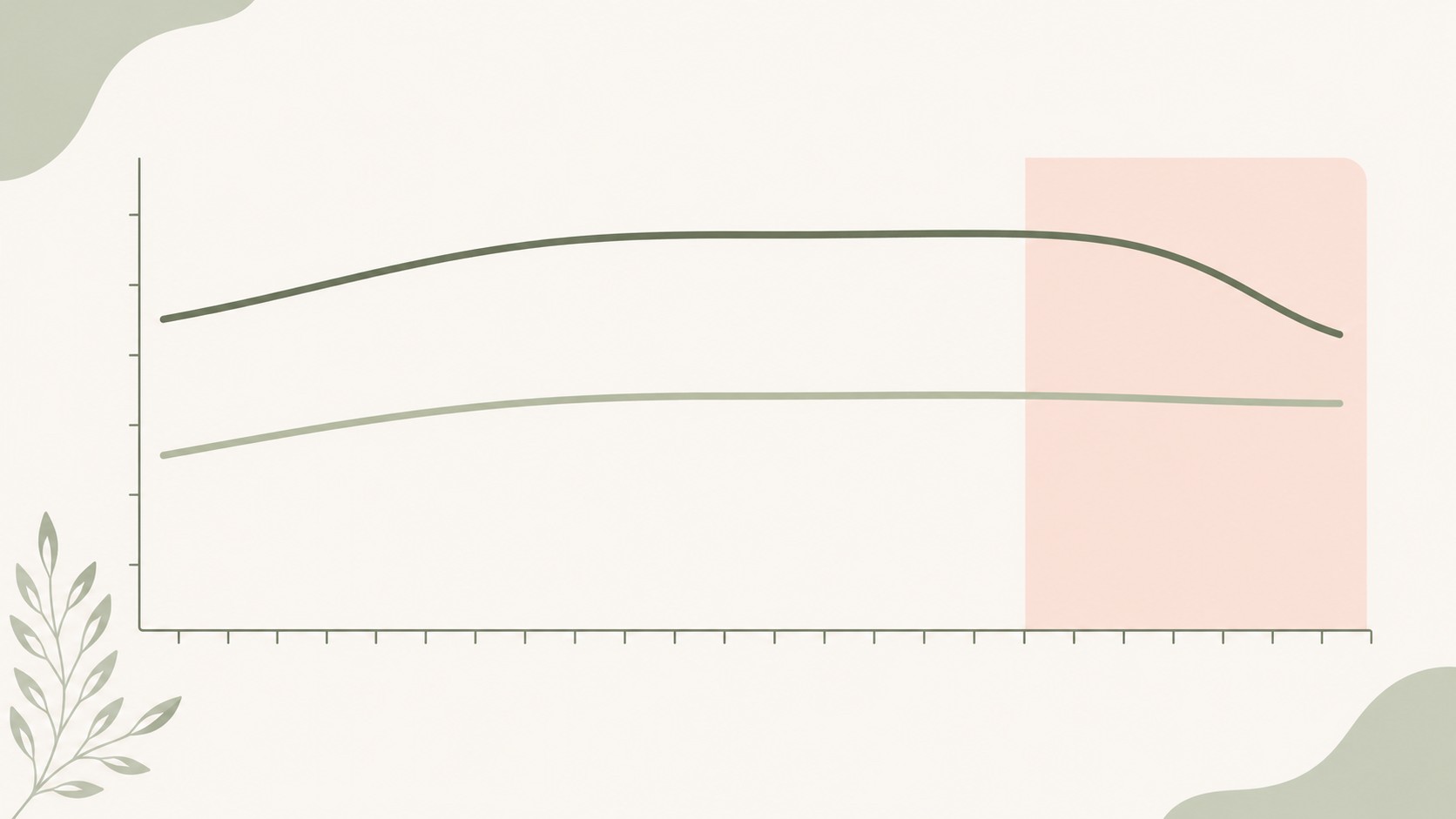
Two honest caveats. First, the Mount Sinai finding that younger women flare more often runs contrary to other reports suggesting the rate is higher in women over 30, so the age relationship is not settled. Second, a 2025 retrospective analysis of menstrual cycle phases and acne flares in Indian women did not find conclusive evidence of an increase in inflammatory lesions premenstrually, which is at odds with Lucky's earlier lesion counts.
What the body of evidence supports is that a premenstrual flare is real and common, affecting somewhere in the region of six to eight women in ten. The precise figure depends heavily on whether a study counts lesions or asks participants, and on the population studied.
Why this matters for you
If your breakouts worsen in the week before your period, you are in the majority, not the exception. It also means that judging any remedy over a period shorter than two full cycles will mislead you, because you may simply be observing the normal cyclical pattern rather than an effect of the treatment.
A realistic twelve week approach
Weeks 1 to 4: simplify and start
Strip your routine back to a gentle cleanser, a non comedogenic moisturiser, and daily sunscreen. Begin spearmint tea if it is appropriate for you. Start reducing high glycemic foods. Expect little visible change in this period, and possibly a mild adjustment phase.
Weeks 5 to 8: add one thing and track
Add one topical agent, and only one. Track flares against your cycle in a simple diary. The pattern usually becomes clearer during these weeks, and some people see a reduction in new lesions.
Weeks 9 to 12: assess honestly
Compare against photographs taken in week one, in the same lighting and at the same angle. If there is no meaningful change by week twelve, natural approaches alone are not sufficient for you, and that is useful information rather than a failure.
Change one thing at a time. If you begin five interventions simultaneously you will not know which one helped, and you will not know which one caused the irritation.
When natural approaches are not enough
This is the most important section in this article.
See a dermatologist promptly if any of the following apply:
Scarring is permanent and is far easier to prevent than to treat. Waiting to see whether a natural approach eventually works is the most common reason people end up with avoidable scarring.
Effective prescription options exist, including topical retinoids, hormonal treatments such as combined oral contraceptives and spironolactone, and for severe cases isotretinoin. Choosing to see a dermatologist is not a failure of the natural approach. It is the correct step when the condition warrants it.
Frequently asked questions
Can hormonal acne be cured naturally?
No. Hormonal acne is managed rather than cured, whether the approach is natural or prescription. Androgen sensitivity is largely determined by genetics and does not disappear. What changes is how well the condition is controlled. Any source promising a permanent natural cure is making a claim the evidence does not support.
How long does spearmint tea take to work for acne?
The Grant trial measured hormonal change over 30 days. Visible skin change takes considerably longer, because follicle and skin cell cycles are slow. Allow eight to twelve weeks of consistent daily use before judging the result. No trial has measured acne clearance directly as a primary endpoint.
Does cutting out dairy clear hormonal acne?
For some people it helps, for many it does not. The evidence is inconsistent and appears to vary by population. If you want to test it, remove dairy fully for eight weeks and photograph your skin at the start and end. Do not remove dairy permanently without replacing the calcium and vitamin D it provides.
Why is my hormonal acne only on my jawline and chin?
The lower third of the face has a higher concentration of sebaceous glands with androgen receptors. When androgen activity drives sebum production, that is where it shows first and most.
Is hormonal acne a sign of PCOS?
Not on its own. Acne is common and most people with hormonal acne do not have polycystic ovary syndrome. However acne alongside irregular or absent periods, excess facial or body hair, or scalp hair thinning is a combination worth investigating with your doctor.
Can stress alone cause hormonal acne?
Stress is a contributing factor rather than a sole cause. It raises cortisol and adrenal androgen output, which can worsen existing acne. Managing stress helps, but it does not usually resolve hormonal acne by itself.
Does drinking more water clear acne?
Adequate hydration supports general skin health, but there is no evidence that increasing water intake beyond normal requirements clears acne. This is one of the most repeated claims online with the least support behind it.
Medical review
This article was medically reviewed by Dr. Muhammad Amjad, Dermatologist.
This article is for general information and does not replace personal medical advice. If you have persistent, painful, or scarring acne, see a qualified dermatologist.
Sources
- Reynolds RV, Yeung H, Cheng CE, et al. Guidelines of care for the management of acne vulgaris. Journal of the American Academy of Dermatology. 2024. PubMed 38300170. Current AAD guideline.
- Zaenglein AL, Pathy AL, Schlosser BJ, et al. Guidelines of care for the management of acne vulgaris. Journal of the American Academy of Dermatology. 2016;74(5):945-973. PubMed 26897386. Superseded by the 2024 guideline above, cited here for the dietary position.
- Meixiong J, Ricco C, Vasavda C, Ho BK. Diet and acne: a systematic review. JAAD International. 2022. Full text, PubMed Central PMC8971946.
- Smith RN, Mann NJ, Braue A, Makelainen H, Varigos GA. The effect of a high-protein, low glycemic-load diet versus a conventional, high glycemic-load diet on biochemical parameters associated with acne vulgaris: a randomized, investigator-masked, controlled trial. Journal of the American Academy of Dermatology. 2007;57(2):247-256. Find on PubMed.
- Grant P. Spearmint herbal tea has significant anti-androgen effects in polycystic ovarian syndrome. A randomized controlled trial. Phytotherapy Research. 2010;24(2):186-188. PubMed 19585478.
- Akdoğan M, Tamer MN, Cüre E, Cüre MC, Köroğlu BK, Delibaş N. Effect of spearmint (Mentha spicata Labiatae) teas on androgen levels in women with hirsutism. Phytotherapy Research. 2007;21(5):444-447. PubMed 17310494.
- Bowe WP, Joshi SS, Shalita AR. Diet and acne. Journal of the American Academy of Dermatology. 2010;63(1):124-141. Journal of the American Academy of Dermatology.
- Anandasabapathy P, et al. The role of glycemic load, dairy, and fatty acids in acne disorders: a systematic review and meta-analysis. Medicinus. 2025. Journal record. Cited for the null findings noted above.
- American Academy of Dermatology. Can the right diet get rid of acne? aad.org.
- Poli F, Dreno B, Verschoore M. An epidemiological study of acne in female adults: results of a survey conducted in France. Journal of the European Academy of Dermatology and Venereology. 2001;15:541-545. Find on PubMed.
- Lucky AW. Quantitative documentation of a premenstrual flare of facial acne in adult women. Archives of Dermatology. 2004;140(4):423-424. PubMed 15096370.
- Geller L, Rosen J, Frankel A, Goldenberg G. Perimenstrual flare of adult acne. Journal of Clinical and Aesthetic Dermatology. jcadonline.com. Verify author list before publishing.
- Unveiling the nuances of adult female acne: a comprehensive exploration. International Journal of Women's Health. 2024. Dove Medical Press.
- The epidemiology of acne in the current era: trends and clinical implications. Cosmetics. 2025;12(3):106. MDPI.
- Menstrual cycle phases and acne flares: a retrospective analysis in Indian women. 2025. ScienceDirect.