Female breast health is one of the most personally significant yet least openly discussed parts of women's overall wellbeing. Whether you're thinking about breast size, shape, firmness, symmetry, hormonal changes, or just want to know what's normal versus what needs medical attention, this guide covers it all, from the basic biology of breast tissue to natural, evidence-backed methods for enhancement, reduction, and long-term breast health.
One of the most important things to establish right away is that there's no universally "correct" breast size. Breast size, shape, symmetry, and density vary enormously between women and come down to a mix of genetics, hormones, body composition, age, reproductive history, and nutrition. Understanding that biological reality is the real foundation of breast health, because a woman who understands her own breast biology is better equipped to care for it, notice changes that matter, and make informed choices about her body.
Understanding Female Breast Anatomy: What Your Breasts Are Actually Made Of
Female breast tissue is mostly made up of adipose tissue (fat), glandular tissue containing milk-producing lobules and ducts, connective tissue including Cooper's ligaments that provide structural support, blood vessels, lymphatic vessels, and nerves. The ratio of glandular to adipose tissue varies a lot between women and shifts throughout life in response to hormonal changes, weight fluctuations, pregnancy, breastfeeding, and aging.
Understanding this composition matters because it directly shapes which natural interventions can meaningfully affect breast size, shape, and firmness, and which claims simply aren't biologically plausible. Adipose tissue responds to changes in body composition. Glandular tissue responds to hormonal signals. Cooper's ligaments respond to mechanical support and collagen-supporting nutrition. Knowing which component you're working with helps determine the right natural approach for your specific goal.
Breast size is largely determined by the volume of adipose tissue, which is why changes in body weight almost always affect breast size, and why women with higher body fat percentages typically have larger breast volume. That said, genetics determine where your body preferentially stores and loses fat, which is why some women lose breast volume quickly with weight loss while others keep their breast size even with significant overall fat reduction.
Hormones and Breast Health: The Most Important Connection Every Woman Should Understand
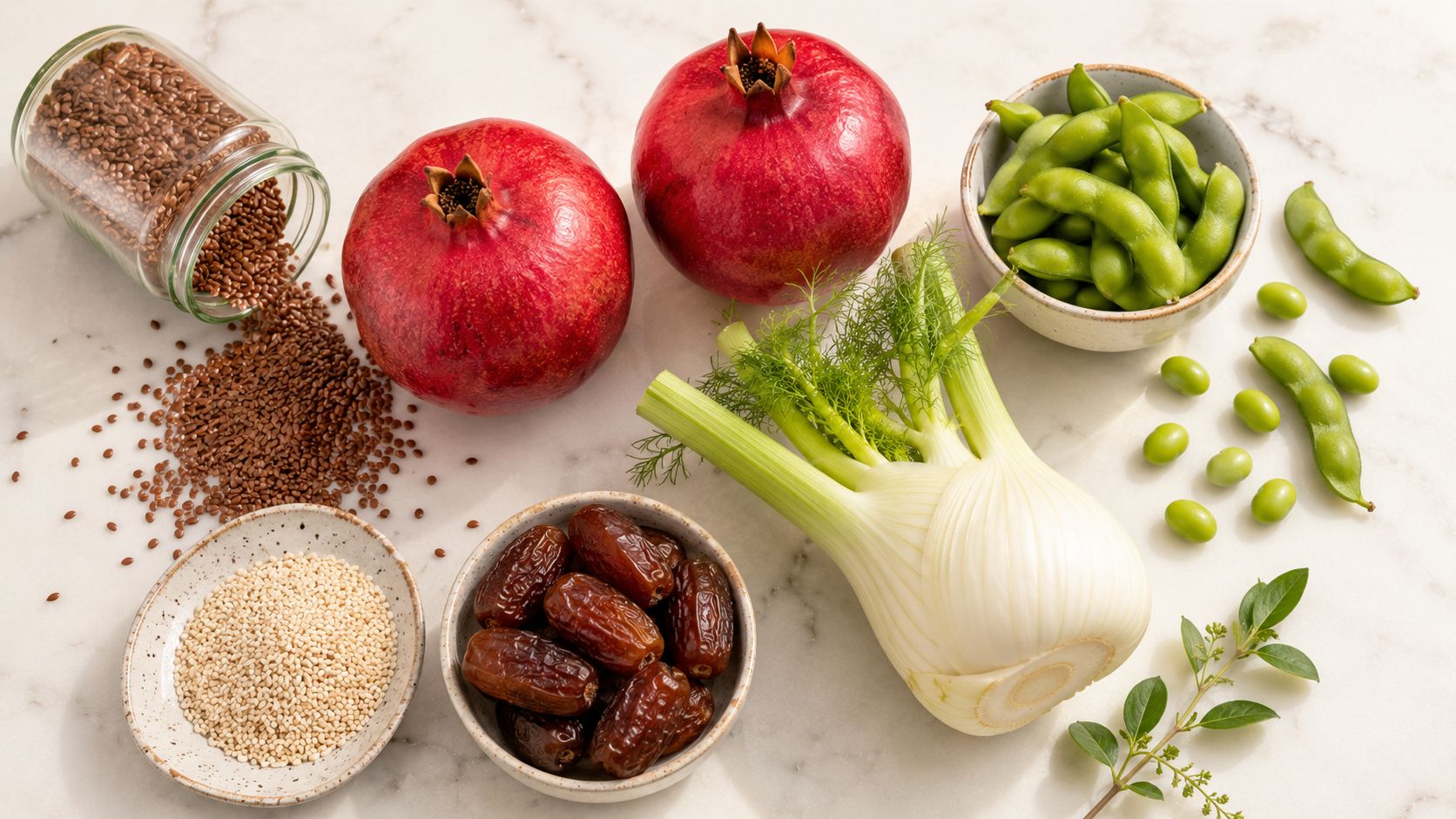
The female hormonal system is the main driver of breast development, size changes, cyclical tenderness, density fluctuations, and long-term tissue health. Estrogen and progesterone are the two primary hormones governing breast tissue, and their balance, timing, and interaction with other hormones including cortisol, insulin, thyroid hormones, and prolactin shapes much of what women experience in their breasts over a lifetime.
Estrogen drives glandular tissue development and stimulates breast growth during puberty and pregnancy. Progesterone prepares glandular tissue for milk production and balances out estrogen's proliferative effects on breast tissue. When that balance gets disrupted, whether from chronic stress raising cortisol and suppressing progesterone, xenoestrogens from plastics and processed foods mimicking estrogen, thyroid dysfunction throwing off overall hormonal regulation, or the natural hormonal shifts of the menstrual cycle, perimenopause, and menopause, women experience changes in breast size, density, tenderness, and health.
Supporting hormonal balance through diet, stress management, sleep quality, and lifestyle is foundational to just about every aspect of natural breast health, whether your goal is enhancement, reduction, firming, or simply maintaining long-term tissue health. For a full guide to naturally balancing the stress hormones that directly affect breast tissue health, see our detailed guide: 7 Natural Ways to Lower Cortisol and Restore Hormone Balance.
Natural Breast Enhancement: Evidence-Backed Methods That Actually Work
Natural breast enhancement means non-surgical, non-pharmaceutical approaches to improving breast fullness, firmness, shape, and appearance. Knowing which methods have a genuine biological basis, and which are overhyped or simply don't work, saves time, money, and disappointment.
1. Chest and Pectoral Exercises for Natural Breast Lift and Fullness
The most consistently effective natural method for improving breast appearance is targeted chest exercise, specifically exercises that build the pectoralis major and pectoralis minor muscles sitting directly beneath breast tissue. These exercises don't increase the actual volume of breast tissue, but building up the pectoral muscles underneath creates a natural lifting and projecting effect that noticeably improves breast shape, fullness, and position on the chest wall.
The most effective exercises for natural lift through pectoral development are push-ups done with varying hand positions: standard push-ups target the overall pectoral, wide-grip push-ups emphasize the outer chest, and close-grip push-ups build the inner chest for a natural cleavage definition. Chest press movements with light dumbbells done lying down build overall pectoral volume that pushes breast tissue upward and forward. Chest fly movements with light dumbbells work the outer pectoral muscles, creating a broader chest shelf that supports breast tissue more effectively.
Wall push-ups are a great starting point for women who find floor push-ups tough. Pressing both palms flat against a wall at chest height and doing a standing push-up motion activates the pectoral muscles with lower physical demand. Three sets of 12 to 15 reps of these exercises, three to four times a week, produces visible pectoral development within six to eight weeks that noticeably improves breast projection and position.
2. Estrogen-Supporting Foods for Natural Breast Tissue Development
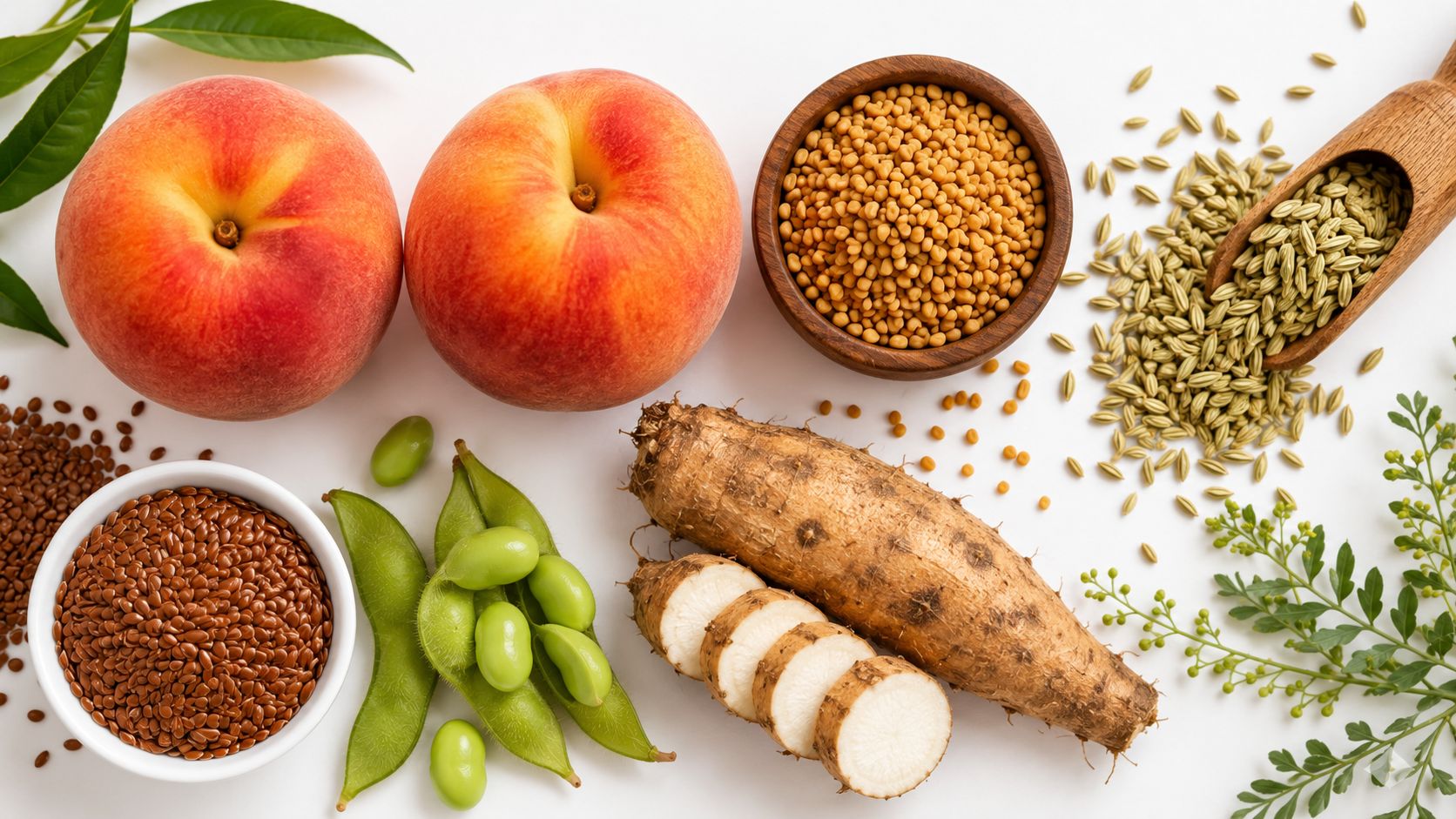
Phytoestrogens are plant-based compounds that weakly mimic estrogen's activity in the body, binding to estrogen receptors at a fraction of the strength of the body's own estrogen. In women with naturally lower estrogen, younger women in early puberty, women with hormonal imbalances, or perimenopausal women, consistent dietary phytoestrogen intake can support estrogen receptor activity in breast glandular tissue enough to contribute to modest tissue development over time.
The most research-backed phytoestrogen-rich foods include flaxseeds, which contain lignans (the most potent dietary phytoestrogens available), ideally eaten freshly ground for better bioavailability. Soy products including edamame, tofu, and tempeh provide isoflavones, particularly genistein and daidzein, which have shown estrogen receptor activity in clinical research. Sesame seeds, sunflower seeds, dried fruits like dates and prunes, chickpeas, lentils, and alfalfa sprouts all add up to meaningful phytoestrogen intake when eaten consistently as part of a varied diet.
One important note on balance: eating phytoestrogen-rich whole foods is safe for the vast majority of women and doesn't carry the risks associated with synthetic hormone treatment. That said, women with a personal or family history of hormone-sensitive breast cancer should talk to their healthcare provider before significantly increasing intake.
3. Breast Massage for Circulation, Firmness, and Natural Enhancement
Regular breast massage has a long history in traditional medicine and is increasingly backed by physiological research as a genuinely useful practice for breast tissue health and appearance. It increases local blood circulation, improving how well nutrients and hormonal signals reach glandular tissue. It stimulates lymphatic drainage, which matters especially in breast tissue given its dense lymphatic network, reducing fluid retention and the cyclical swelling and tenderness many women experience. Regular massage also helps women get familiar with their normal breast tissue texture, one of the most valuable habits for catching any changes that need medical attention early.
For breast massage, use a small amount of natural carrier oil, such as olive oil, sweet almond oil, or fenugreek-infused oil, which contains diosgenin, a phytoestrogen traditional herbalists have long linked to breast tissue stimulation. Use gentle circular motions moving from the outside of the breast toward the nipple for five to ten minutes per breast, two to three times a week, to support circulation, lymphatic function, and tissue nourishment.
4. Fenugreek, the Most Researched Natural Herb for Breast Enhancement
Fenugreek seeds are among the most extensively studied natural herbs specifically tied to breast tissue development and milk production. Its main active compound, diosgenin, a steroidal saponin, has shown estrogenic activity in laboratory and clinical settings, stimulating estrogen receptors in breast glandular tissue. Fenugreek also stimulates prolactin production, the hormone responsible for breast tissue growth and milk production, which explains its long traditional use as a galactagogue (a substance that promotes milk production in breastfeeding women) and a breast enhancement herb.
Fenugreek can be brewed as a tea by steeping one teaspoon of seeds in hot water for ten minutes, eaten as sprouted seeds added to salads, or used as a cooking spice, particularly in curry and Middle Eastern dishes where it's already a staple. Applied topically as fenugreek seed oil during massage, it puts diosgenin in direct contact with breast tissue.
Wild yam is another traditional natural phytoestrogen source containing diosgenin, used in herbal medicine for breast tissue support and hormonal balance. Fennel seeds contain anethole, a compound with mild estrogenic properties, and are used both in cooking and as a daily tea in traditional women's health practices across many cultures.
5. Posture Correction, the Fastest Free Natural Breast Enhancement
Posture is the most immediately impactful and most consistently underrated factor in breast appearance. Forward head posture and rounded shoulders, the default position for most women who spend a lot of time at desks, on phones, or in sedentary activities, cause the chest to cave inward, pulling breast tissue down and in, creating a visually flattened, drooping look regardless of actual breast size or firmness.
Correcting posture by strengthening the upper back muscles, particularly the rhomboids, middle trapezius, and rear deltoids, pulls the shoulders back and opens the chest, projecting breast tissue up and forward in a way that can dramatically improve apparent fullness and lift. Exercises like seated rows, band pull-aparts, face pulls, and cobra stretches all target the postural muscles that determine how breasts project from the chest wall. Just practicing conscious upright posture throughout the day, shoulders back and down, chest open, spine tall, produces an immediately visible improvement in breast appearance that no topical treatment can match.
Natural Breast Reduction: Safe and Effective Methods Without Surgery
Many women with naturally larger breasts deal with real physical discomfort, including back pain, shoulder pain, neck strain, skin irritation beneath the breast fold, and difficulty exercising comfortably. Natural breast reduction through lifestyle and dietary changes can meaningfully reduce breast volume and improve physical comfort for women who aren't candidates for surgical reduction or who'd rather avoid it.
1. Body Composition Management for Natural Breast Volume Reduction
Since breast tissue is mostly adipose (fat) tissue, reducing overall body fat percentage through nutritional adjustments and regular cardiovascular exercise is the most reliable natural approach to reducing breast volume. The body doesn't selectively lose fat from specific areas, but as overall body fat drops, breast volume typically drops proportionally, and for many women, the breasts are one of the first areas where fat loss becomes noticeable.
A moderate calorie deficit of 300 to 500 calories below daily energy needs, combined with enough protein to preserve muscle mass during fat loss, produces sustainable body composition changes that reduce breast volume without the skin laxity and rapid tissue changes that come with crash dieting. Prioritizing protein from eggs, Greek yogurt, lean poultry, legumes, and fatty fish supports muscle preservation during fat loss and provides the building blocks for collagen maintenance in breast connective tissue during volume reduction.
2. Cardiovascular Exercise for Natural Breast Reduction
Regular cardiovascular exercise that creates a calorie deficit while preserving and building muscle tissue is the most effective exercise approach for natural breast reduction. Running, swimming, cycling, rowing, and HIIT workouts done three to five times a week create the sustained calorie deficit that drives body fat reduction, including breast adipose tissue, over time.
Swimming is especially helpful for women looking for natural breast reduction, since the horizontal body position temporarily reduces gravitational stress on breast tissue, the water resistance provides full-body resistance training alongside cardio benefits, and the cool water makes intense exercise more comfortable for women with larger breasts who find weight-bearing land exercise physically uncomfortable.
Wearing a well-fitted, supportive sports bra during all exercise is non-negotiable for breast health during natural reduction efforts. Cooper's ligaments, which provide breast structural support, have no muscle fibers and can't repair themselves if overstretched. Inadequate breast support during high-impact exercise causes permanent ligament stretching that leads to irreversible sagging, regardless of any later weight changes.
3. Anti-Estrogenic Foods to Naturally Reduce Breast Tissue Stimulation
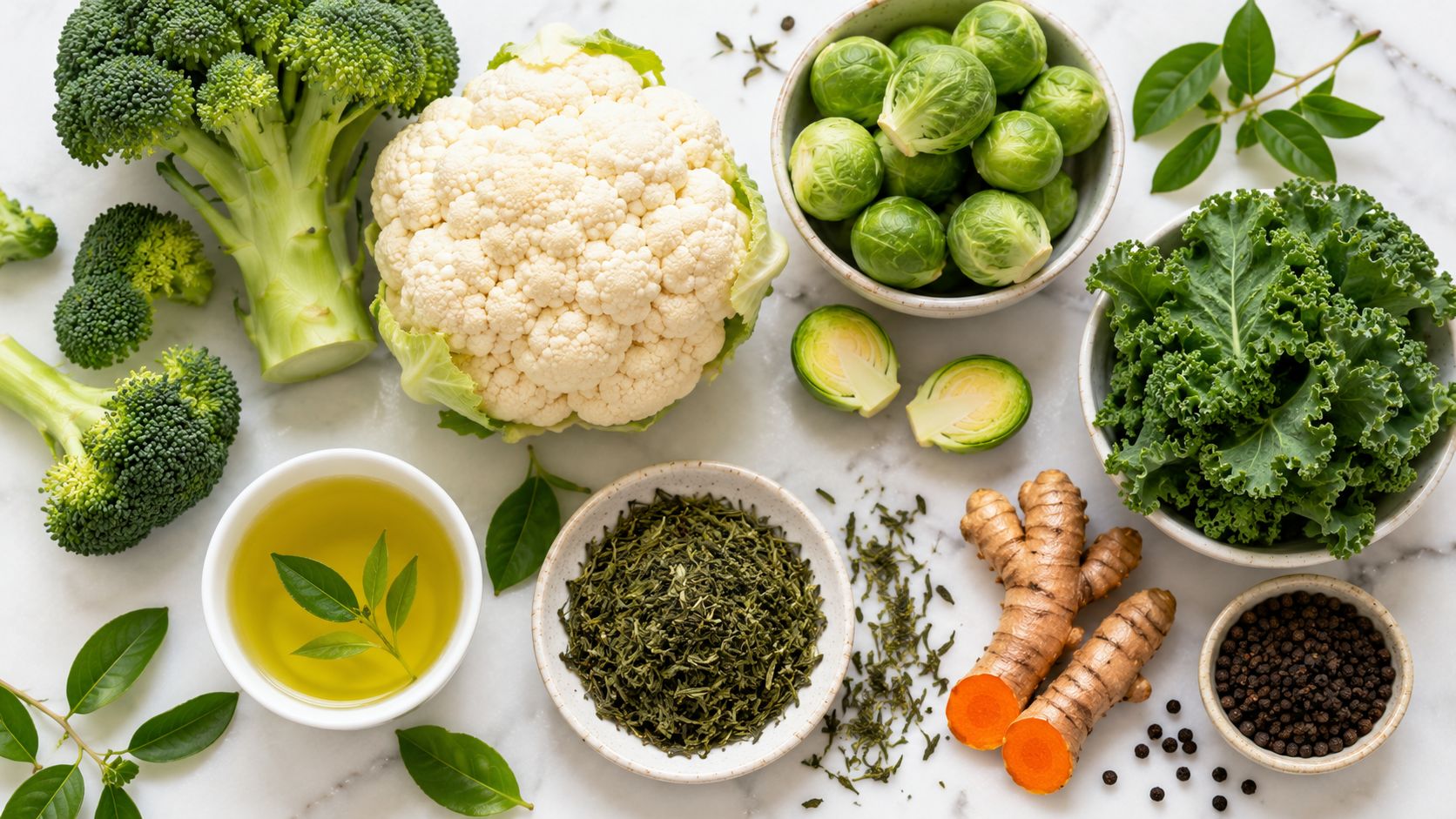
Just as phytoestrogen-rich foods can support breast glandular tissue development, certain foods contain compounds that reduce estrogen activity or support estrogen metabolism in ways that may help manage estrogen-driven glandular tissue volume in naturally larger breasts. Cruciferous vegetables including broccoli, cauliflower, Brussels sprouts, kale, and cabbage contain indole-3-carbinol (I3C), which supports healthy estrogen metabolism in the liver, promoting the conversion of stronger estrogen forms into weaker metabolites and reducing overall estrogenic activity in breast tissue.
Green tea contains EGCG, which has shown anti-estrogenic activity at the cellular level and has been studied in the context of breast tissue health with promising results. Turmeric with black pepper reduces systemic inflammation that can drive excessive estrogenic signaling in breast tissue. Cutting back on processed food, particularly items containing synthetic preservatives, artificial flavors, and plasticizers that act as xenoestrogens mimicking estrogen's stimulating effect on breast tissue, directly lowers the overall estrogenic burden on breast glandular tissue.
Natural Breast Firming: Preventing and Reversing Sagging Naturally

Breast sagging, clinically called ptosis, happens naturally from gravity, aging, pregnancy, breastfeeding, significant weight fluctuations, and inadequate support gradually stretching the Cooper's ligaments and skin that hold breast position on the chest wall. While stretched Cooper's ligaments can't be restored, the skin, muscle, and connective tissue components of breast support do respond meaningfully to several natural interventions.
1. Collagen-Supporting Nutrition for Breast Skin Firmness
The skin over the breast and the connective tissue within it contain collagen fibers that determine skin elasticity, firmness, and resilience. Supporting collagen synthesis and slowing accelerated collagen breakdown is one of the more evidence-based natural approaches to maintaining and improving breast firmness over time.
Vitamin C is the essential cofactor for collagen synthesis and needs to be consumed consistently for collagen production to run at full capacity. Red bell peppers, kiwi, strawberries, and citrus provide concentrated vitamin C for collagen support. Bone broth provides glycine, proline, and hydroxyproline, the specific amino acids that form collagen's triple-helix structure, in a highly bioavailable form. For a full guide to gut-healing foods including bone broth that support collagen production throughout the body, including breast skin, see our guide: 7 Natural Remedies to Heal Your Gut in 30 Days.
Avoiding the main drivers of collagen breakdown matters just as much: chronic unprotected UV exposure, smoking, chronically elevated cortisol from stress, excess sugar (which causes glycation that crosslinks and stiffens collagen fibers), and alcohol, which both dehydrates skin and impairs collagen synthesis through liver stress.
2. Cold Water Therapy for Breast Skin Tightening
Cold water applied to breast skin causes temporary vasoconstriction and tissue contraction that produces an immediate firming effect. More importantly for long-term firmness, regularly alternating warm and cool water while showering, particularly directing a cool stream over breast skin for 30 to 60 seconds at the end of each shower, stimulates collagen production through the skin's adaptation response to temperature cycling, in a way similar to how exercise stimulates muscle adaptation. Done consistently every day over several months, this practice contributes meaningfully to improved breast skin tone and firmness.
3. Moisturizing and Skin Elasticity Maintenance for Breast Firmness
Consistently moisturizing breast skin with natural oils rich in vitamin E and essential fatty acids maintains hydration, elasticity, and skin integrity, helping resist the progressive stretching that leads to visible sagging. Sweet almond oil, rosehip seed oil, argan oil, and pure vitamin E oil all provide deep moisturization along with antioxidant and collagen-supporting compounds. Applying natural breast oil with gentle upward circular massage motions covers both moisturization and circulation benefits at once.
Foods That Support Complete Breast Health

Certain foods have specific research behind them for supporting overall breast tissue health, hormonal balance, and long-term breast wellness beyond just size or firmness effects.
Flaxseeds provide lignans that support healthy estrogen metabolism and have been specifically studied for breast tissue health. Cruciferous vegetables provide indole-3-carbinol for healthy estrogen metabolism and sulforaphane, which has been studied extensively for cellular health in breast tissue. Berries provide anthocyanins and ellagic acid that support cellular health in breast tissue. Turmeric with black pepper provides curcumin with anti-inflammatory properties specifically relevant to breast tissue health. Pomegranate contains ellagitannins that support healthy estrogen metabolism. Fatty fish provide omega-3 fatty acids that reduce breast tissue inflammation and support healthy hormonal signaling. Walnuts provide omega-3, melatonin, and antioxidants that support cellular health in breast tissue. Green tea provides EGCG with documented protective properties for breast tissue in research settings.
Monthly Breast Self-Examination: The Most Important Health Habit for Every Woman

Regardless of your breast size, shape, or any aesthetic goals, the single most important breast health habit for every woman from her twenties onward is consistent monthly breast self-examination. Most breast changes are discovered by women themselves rather than during clinical exams, making self-examination one of the most powerful personal health tools available.
Perform breast self-examination seven to ten days after your period starts each month, when hormone-driven swelling and tenderness are at their lowest and the exam is most accurate. Postmenopausal women should pick a consistent calendar date each month. Stand in front of a mirror with arms relaxed and look at both breasts for changes in size, shape, skin texture, nipple direction, or skin dimpling. Raise both arms overhead and repeat the visual check. Lie down and use the flat of your fingers to examine each breast in a systematic circular pattern from the armpit to the breastbone and from the collarbone to the lower breast fold, feeling for any new lumps, thickened areas, or texture changes. Gently check each nipple for discharge when lightly compressed.
Contact your healthcare provider promptly if you notice any of the following: a new lump or thickening that feels different from the surrounding tissue, unexplained changes in breast size or shape, skin dimpling or puckering that looks like orange peel, new nipple inversion, nipple discharge not related to breastfeeding, persistent unexplained pain in one area, or skin changes including redness, rash, or unusual warmth.
Breast Health at Every Life Stage
Breast tissue and health needs shift a lot across a woman's life, and knowing what's normal at each stage helps prevent unnecessary worry while making sure real changes get timely attention.
In your twenties, breast tissue is typically dense and firm with a higher glandular-to-fat ratio. Some asymmetry between breasts is completely normal and present in nearly all women. Monthly self-examination should become a habit during this decade. In your thirties, pregnancy and breastfeeding significantly affect breast size, shape, density, and position, with a lot of variation between women in how much of that change sticks around after breastfeeding ends. In your forties, perimenopause begins for many women, bringing hormonal shifts that cause more breast tenderness, density changes, and size fluctuations. In your fifties and beyond, menopause brings estrogen decline that typically reduces breast density as glandular tissue gets replaced by fat, and breast position shifts as Cooper's ligaments lose elasticity. Clinical mammogram screening becomes essential during this decade, according to standard screening guidelines.
Final Thought
Breast health isn't a single goal. It's a lifelong relationship with a part of your body that changes constantly in response to your hormones, age, weight, pregnancies, and overall health. Whether you're working toward natural enhancement, reduction, firming, or simply maintaining the health of the breast tissue you have, the most powerful tools available are consistent exercise, targeted nutrition, hormonal balance, adequate support, and monthly self-examination.
No surgical procedure, supplement, or topical cream replaces the long-term value of understanding your own body, nourishing it consistently, and staying attentive to changes that signal when something needs professional attention. Your breast health is worth that attention, at every age, at every size, at every stage of life.
Note: This article is for informational and educational purposes only and does not constitute medical advice. All breast health concerns including lumps, skin changes, nipple discharge, or persistent pain should be evaluated promptly by a qualified healthcare provider. Follow your regional clinical mammogram screening guidelines for your age group. Nothing in this article is intended to replace professional medical evaluation or treatment.