
Most people trying to drink less aren't failing because they lack discipline. They're failing because no one has ever explained what alcohol actually does inside the body, or what natural processes are behind the cravings themselves.
Alcohol cravings aren't a personality flaw. They're a physical response tied to unstable blood sugar, depleted neurotransmitters, a stress hormone system stuck in overdrive, and a gut microbiome that's taken a beating. Once you understand what's really fueling the urge to drink, you can work on it directly, using food, daily habits, and natural remedies that address the underlying biochemistry instead of relying purely on willpower.
This guide walks through seven natural, research-supported remedies for reducing alcohol cravings and repairing the toll alcohol takes on your gut, liver, skin, and hormones, without medication, without pricey programs, and without gritting your teeth through every evening.
What Alcohol Really Does to Your Body (The Part Nobody Explains)
To understand why cutting back is so hard, it helps to understand what's happening biologically, because the pull toward drinking is far more physical than most people assume.
Drinking alcohol triggers dopamine release in the brain's reward system, producing that sense of pleasure and ease. At the same time, it boosts GABA activity (the brain's main calming neurotransmitter) while dialing down glutamate, an excitatory neurotransmitter. That combination is what creates the feeling of tension melting away, a quieter mind, and social anxiety fading, which is exactly why alcohol feels so effective as a way to unwind.
The catch is that with repeated use, the brain adapts. GABA receptors become less responsive, baseline dopamine drops, and eventually the brain needs alcohol just to feel normal rather than to feel good. This shift is the biological root of alcohol dependency, and it's why scaling back feels physically uncomfortable rather than simply a matter of choosing differently.
Beyond the brain, ongoing alcohol use wears down the gut microbiome, raises intestinal permeability (often called leaky gut), drains the body of key B vitamins and minerals, keeps cortisol and other stress hormones chronically elevated, damages liver cells through oxidative stress, interferes with REM sleep, and speeds up skin aging by breaking down collagen and pulling hydration from skin cells.
The seven remedies below target all of these mechanisms at once, cutting cravings at the root while helping repair the damage already done.
7 Natural Remedies to Reduce Alcohol Cravings and Repair Alcohol Damage
1. Stabilize Blood Sugar to Eliminate the Most Common Craving Trigger
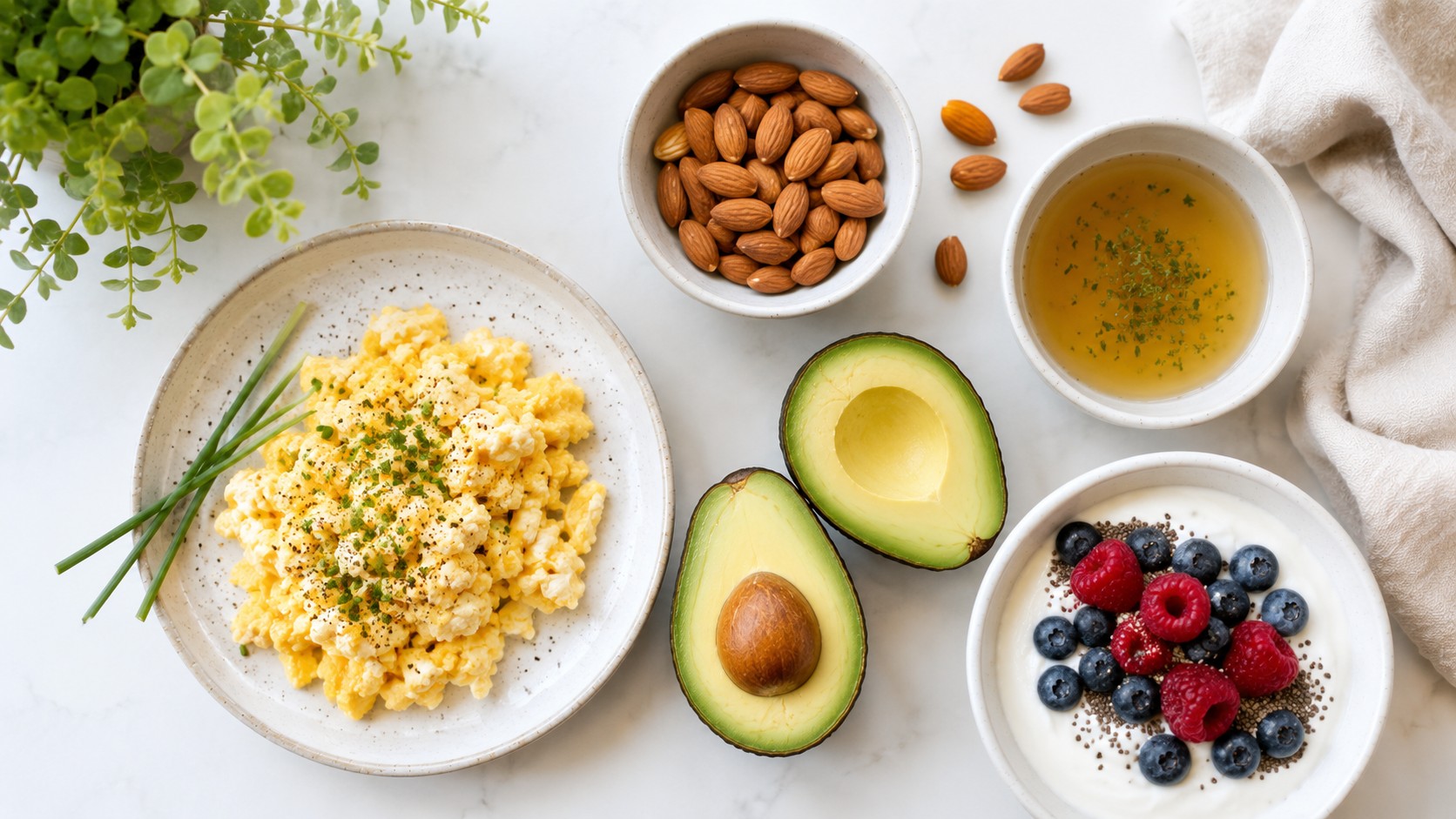
The most overlooked driver of evening alcohol cravings is unstable blood sugar, and fixing it tends to produce faster results than almost any other natural approach.
Here's why: the body processes alcohol in a way that resembles how it processes sugar. When blood sugar drops (most often in the mid-afternoon or early evening after a day of light protein intake, skipped meals, or too many refined carbs), the brain signals an urgent need for glucose or something that raises blood sugar fast. Alcohol answers that call almost instantly, which explains why cravings tend to hit at the same time every day and get stronger when you're hungry.
Breaking that pattern means keeping blood sugar steady all day long so the brain never drops into the low-glucose state that triggers alcohol as a "solution." The most effective approach is eating a solid protein-and-healthy-fat meal or snack every three to four hours, without skipping. Eggs, Greek yogurt, nuts, avocado, cottage cheese, and fatty fish are especially useful because they digest slowly and prevent the swings that fuel cravings.
Cutting refined sugar and processed carbs, which cause the spikes and crashes behind many cravings, matters just as much. L-glutamine, an amino acid found in bone broth, eggs, and meat, has research behind it for reducing alcohol cravings by giving the brain an alternate fuel source during blood sugar dips. Taking 500 to 1000mg of L-glutamine around the time cravings usually strike has shown measurable results in several studies.
2. Heal Your Gut to Change Your Relationship With Alcohol
The link between gut health and alcohol cravings is one of the more overlooked areas of addiction research. Your gut microbiome shapes the levels of dopamine and serotonin that alcohol targets. When the microbiome is depleted or out of balance, baseline dopamine and serotonin drop, making alcohol's temporary lift feel that much more necessary.
Ironically, regular drinking is itself one of the most damaging things you can do to your gut. It kills off beneficial bacteria, allows harmful strains to take over, and increases intestinal permeability, setting up a cycle where alcohol damages the gut, gut damage fuels cravings, and more drinking causes further damage.
Repairing the gut is one of the most powerful long-term strategies for reducing dependency. Fermented foods like kefir, kimchi, sauerkraut, and plain probiotic yogurt reintroduce the beneficial bacteria alcohol wipes out. Prebiotic fiber from garlic, onions, asparagus, and oats feeds the good bacteria that remain. Bone broth helps repair intestinal lining damage thanks to its glutamine and collagen content.
For a full breakdown of natural gut-healing strategies that also support alcohol craving reduction, see our guide: 7 Natural Remedies to Heal Your Gut in 30 Days (No Supplements Needed). Every remedy in that piece supports the gut-brain connection tied to alcohol cravings.
3. Lower Cortisol to Stop Stress-Driven Drinking
The most common reason people reach for a drink in the evening is stress relief, and that's not a sign of weak willpower. It's a predictable response to chronically high cortisol, the body's main stress hormone.
When cortisol stays elevated because of work stress, poor sleep, unstable blood sugar, or overtraining, the nervous system spends the day braced for a threat that never fully resolves. Alcohol's effect on GABA receptors offers near-instant relief from that state, which is why stress-driven cravings feel so strong and so consistent. Over time, the brain learns that alcohol reliably fixes the discomfort and starts anticipating that relief before stress even reaches conscious awareness.
Tackling cortisol directly removes a major driver of stress-related drinking. Getting sunlight within 30 minutes of waking helps reset the cortisol rhythm that governs stress hormones throughout the day. Controlled breathing, particularly the physiological sigh (a double inhale through the nose followed by a long, slow exhale), activates the parasympathetic nervous system within minutes and offers similar relief to alcohol, through natural means instead of chemical ones.
Adaptogenic foods such as ashwagandha, holy basil tea, and reishi mushroom act directly on the HPA axis that governs cortisol, lowering the baseline stress that makes drinking feel necessary. Anti-inflammatory foods like fatty fish, dark leafy greens, blueberries, and dark chocolate reduce the inflammation cortisol drives, the same inflammation alcohol temporarily (and only temporarily) eases.
For a complete guide to lowering cortisol naturally and breaking the cycle of stress-driven cravings, see: Cortisol Face Is Real, 7 Natural Ways to Lower Cortisol and Get Your Glow Back. Every strategy there works to reduce the cortisol-driven stress that makes evening drinking feel necessary.
4. Support Your Liver to Repair Damage and Reduce Cravings

The liver does the heavy lifting when it comes to metabolizing alcohol, and ongoing drinking creates real oxidative stress and cell damage in liver tissue. What most people don't realize is that a strained, overworked liver sends out physical signals (fatigue, nausea, digestive discomfort) that the brain often misreads as a craving for more alcohol, deepening a cycle of liver stress and continued drinking.
Supporting liver recovery through food breaks that cycle and speeds up the physical recovery that makes cutting back feel manageable instead of miserable.
Milk thistle is the most studied natural liver remedy available. It contains silymarin, a compound shown to protect liver cells from oxidative damage, support cell regeneration, and calm alcohol-related liver inflammation. It's available as a supplement, but it can also be brewed as a tea.
Cruciferous vegetables such as broccoli, cauliflower, Brussels sprouts, and cabbage contain sulforaphane and glucosinolates that support the liver's Phase 1 and Phase 2 detox pathways, the processes the liver uses to break down and clear alcohol byproducts. A daily serving of cruciferous vegetables is one of the simplest, most accessible ways to support liver function.
Turmeric paired with black pepper supports the liver through curcumin's anti-inflammatory effects, easing the oxidative stress that comes from processing alcohol. Beets contain betaine, which supports liver cell function and bile production. Lemon water first thing in the morning stimulates bile flow and supports the liver's overnight detox cycle.
Dandelion root tea is a traditional liver tonic, and modern research backs its role in stimulating bile production, helping normalize liver enzymes, and offering antioxidant protection to liver cells during recovery.
5. Replenish the Nutrients Alcohol Strips Away
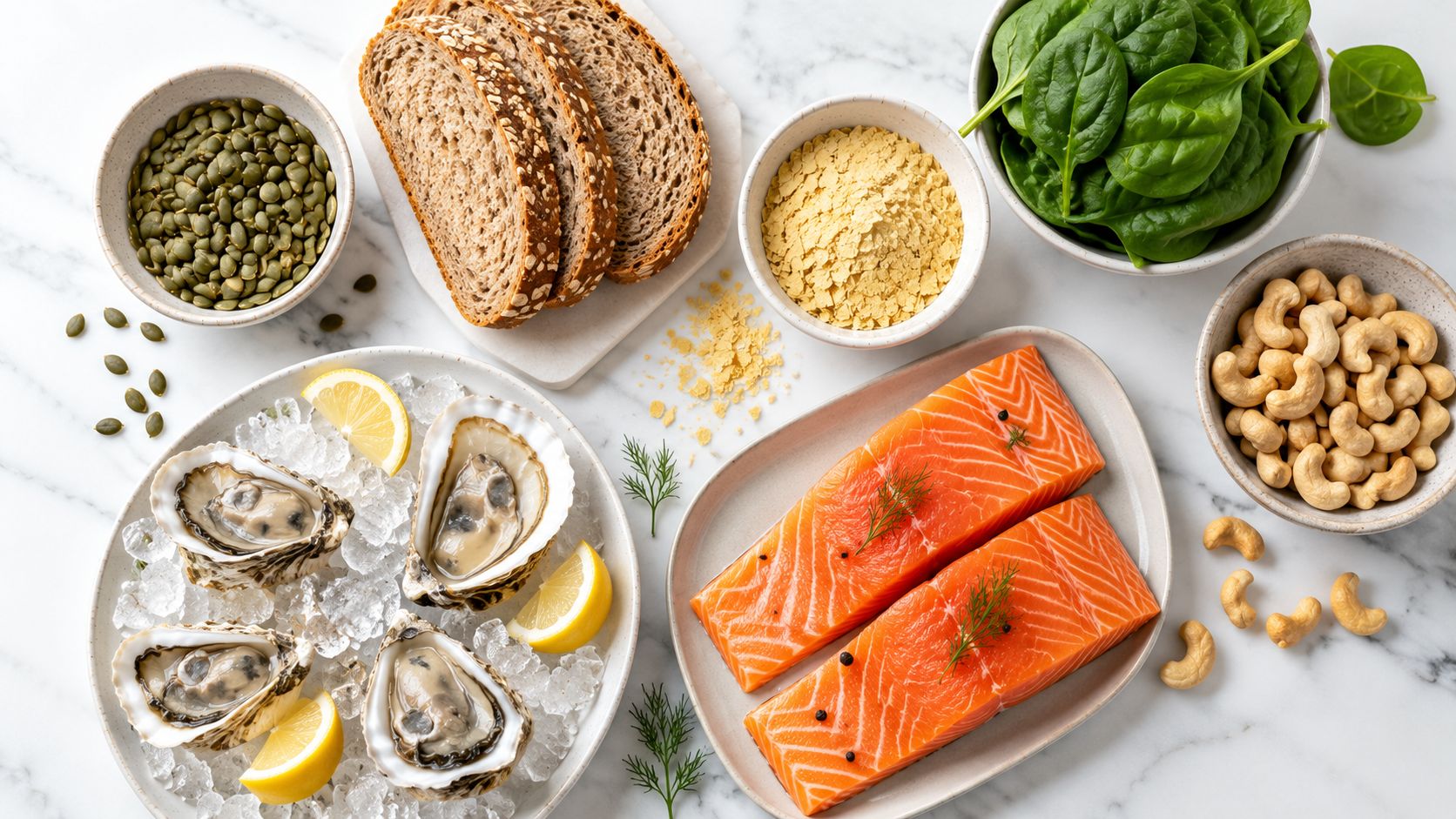
One of the most overlooked drivers of persistent cravings is nutritional depletion. Alcohol aggressively drains the body of vitamins and minerals directly tied to neurotransmitter production, stress hormone regulation, and craving control. Replacing these nutrients through food is one of the more effective natural strategies for cutting cravings.
Vitamin B1 (thiamine) is the nutrient most severely depleted by regular drinking. It's essential for brain function and energy metabolism, and low levels directly cause the anxiety, brain fog, and nervous system dysregulation that make drinking feel necessary. Whole grains, legumes, nutritional yeast, sunflower seeds, and pork are strong sources. Rebuilding thiamine levels can measurably ease alcohol-related anxiety within days.
Magnesium depletion is nearly universal among regular drinkers because alcohol acts as a strong magnesium diuretic, causing the kidneys to flush it out faster than usual. Magnesium directly regulates GABA receptors, the same receptors alcohol targets. Low magnesium means the brain has less natural calming capacity of its own, making it more reliant on alcohol for that GABA boost. Restoring magnesium through dark leafy greens, pumpkin seeds, dark chocolate, almonds, and black beans helps rebuild natural GABA function and reduces alcohol's apparent pull.
Zinc gets depleted through alcohol metabolism and plays a direct role in dopamine receptor function. Low zinc means reduced dopamine sensitivity, meaning it takes more of anything dopamine-related, including alcohol, to get the same effect. Oysters, beef, pumpkin seeds, chickpeas, and cashews are all rich in zinc. Omega-3 fats from fatty fish, flaxseed, and walnuts help restore dopamine and serotonin receptor sensitivity that alcohol dulls, lessening the pull toward alcohol as those natural levels recover.
6. Build an Evening Ritual to Replace the Drinking Routine
A large part of drinking is habit rather than craving. The evening glass of wine or beer becomes a signal to the brain that the workday is over and it's time to relax. The brain links the physical act of pouring and sipping a drink, almost as much as the alcohol itself, with the shift from stress to ease. Replacing that ritual while keeping its function intact is one of the most practical strategies for cutting back.
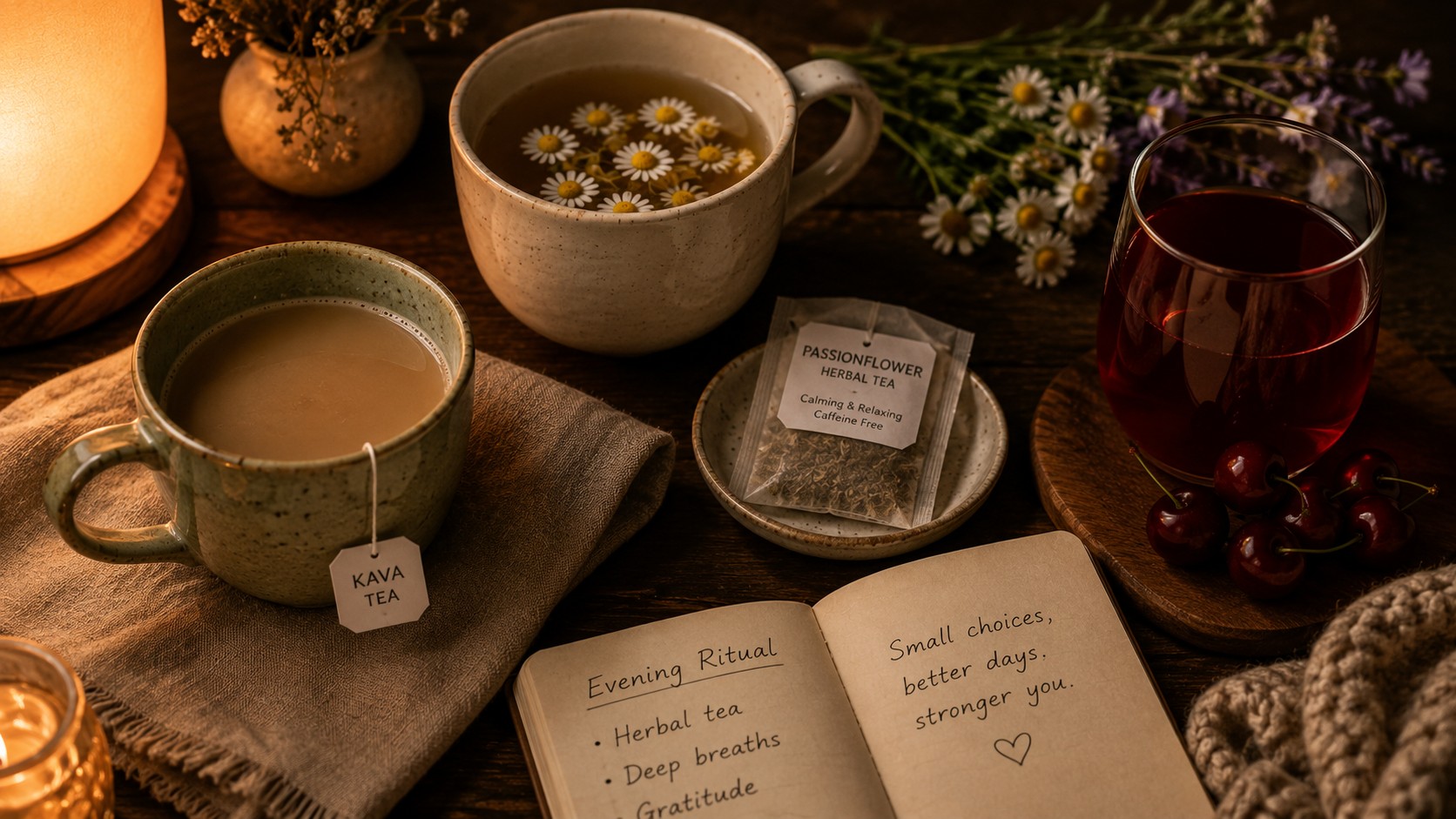
Kava root tea is the most studied natural alternative for alcohol's anxiety-reducing effect. It contains kavalactones that act on GABA receptors, the same mechanism alcohol uses, producing real anxiety relief, muscle relaxation, and mood improvement without impaired coordination or the next-day cortisol spike alcohol often brings. Brewed as tea, kava offers a ceremonial drink that mimics both the social ritual and the calming pharmacology of alcohol.
Passionflower tea has clinical evidence for easing anxiety through GABA modulation and has been shown in studies to work about as well as low-dose anti-anxiety medication for generalized anxiety, making it a strong evening substitute for people who drink mainly to unwind. Chamomile tea contains apigenin, a compound that binds to GABA receptors and encourages relaxation and sleepiness. L-theanine from green tea promotes calm focus without sedation and smooths the transition out of work mode, a job alcohol usually handles.
Building a consistent physical ritual around these alternatives (the same drink, the same glass, the same time each evening) gives the brain the transition cue it associates with alcohol, while delivering genuine relaxation through mechanisms that don't create dependency or withdrawal.
7. Fix Your Sleep to Break the Dependency Cycle
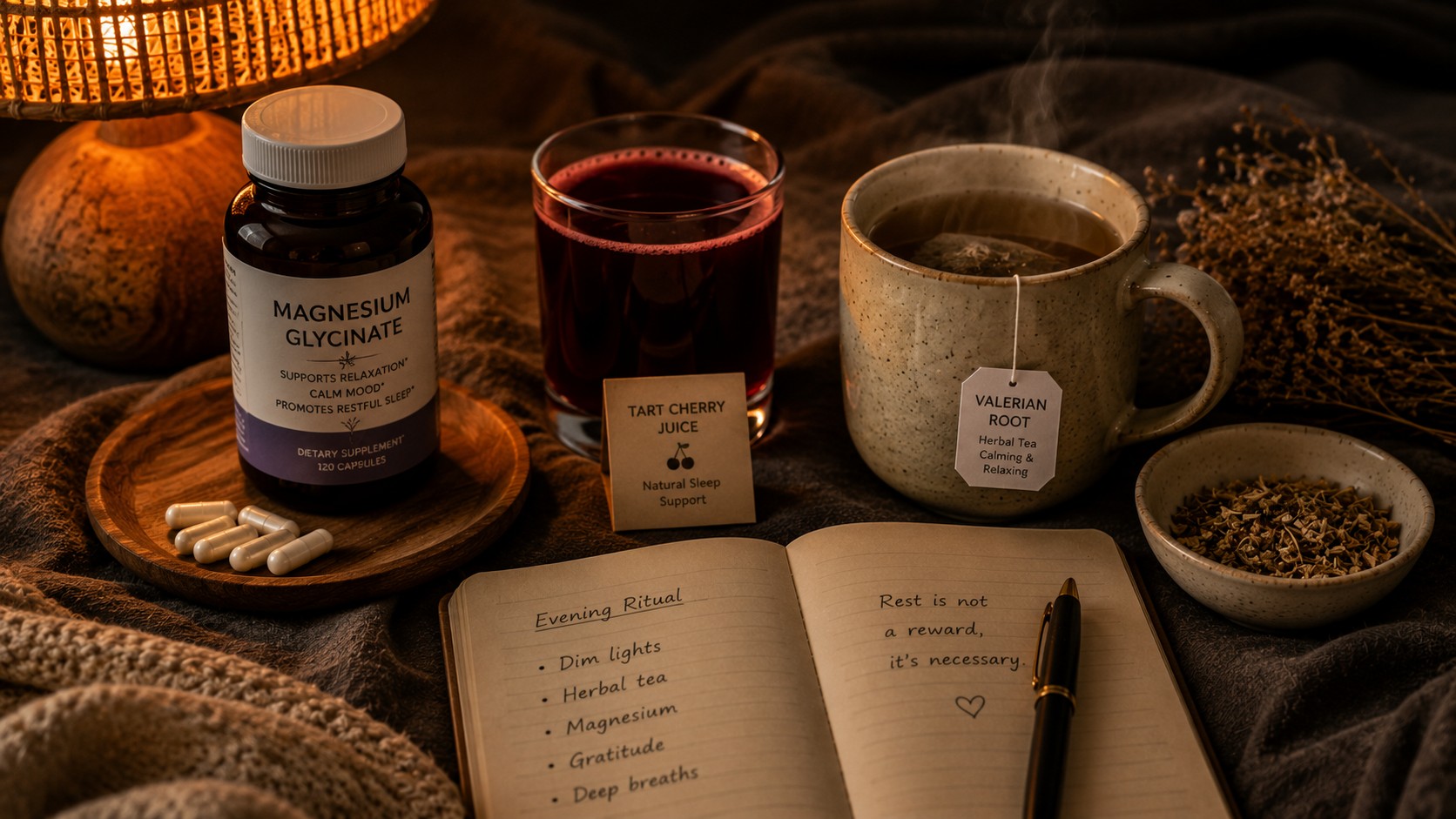
Poor sleep and alcohol cravings feed off each other in a cycle that keeps many people stuck in drinking patterns they'd genuinely like to escape. Poor sleep quality, which alcohol itself causes by suppressing REM sleep even though it can make falling asleep feel easier, leads to next-day fatigue, anxiety, and elevated cortisol, all of which make alcohol feel necessary again the following evening.
Regular drinkers often aren't sleeping well even when they fall asleep quickly. Alcohol suppresses REM sleep (the stage responsible for emotional processing, memory consolidation, and nervous system recovery) during the first half of the night. As it metabolizes later in the night, it causes rebound arousal, waking people between 2 and 4 a.m. with anxiety, racing thoughts, and already-elevated cortisol, setting up a stressful morning that builds toward another evening craving.
Breaking this cycle means prioritizing sleep through natural means that don't involve alcohol. Magnesium glycinate taken 30 minutes before bed supports GABA receptor function for natural sleep onset without the sleep disruption alcohol causes. A consistent sleep and wake time, seven days a week including weekends, helps anchor the circadian rhythm alcohol regularly throws off. A fully dark bedroom maximizes melatonin production, which alcohol suppresses. Avoiding screens for an hour before bed prevents the blue-light cortisol spike that can make a drink feel necessary to wind down.
Tart cherry juice in the evening is one of the best-studied natural sources of dietary melatonin, with clinical evidence for improving both sleep onset and REM quality. Valerian root tea has centuries of traditional use as a sleep remedy, and modern research backs its ability to shorten sleep onset time and improve sleep quality through the same GABA pathways alcohol targets.
The Alcohol Reduction Recovery Timeline: What to Expect
Knowing what's happening in your body as you cut back helps you stay motivated and recognize that discomfort is often a sign of recovery, not a reason to drink.
Days 1 to 3, Acute Adjustment: Blood sugar instability peaks as the body adjusts to life without alcohol's quick glucose hit. Sleep may briefly get worse before it improves. Anxiety and irritability are common while GABA receptors recalibrate. This is when L-glutamine, magnesium, and calming teas matter most.
Days 4 to 7, Neurochemical Rebalancing: Dopamine and serotonin baselines start climbing as alcohol's suppressive effect fades. Sleep quality noticeably improves as REM returns. Energy begins stabilizing. Skin hydration and complexion visibly improve as cellular dehydration reverses.
Days 8 to 14, Gut Recovery Begins: The gut microbiome starts rebuilding as alcohol's antimicrobial effect fades and fermented foods and prebiotic fiber restore bacterial diversity. Bloating and digestive discomfort ease significantly. Cortisol starts normalizing as sleep and blood sugar stabilize.
Days 15 to 30, Full System Recovery: Liver enzymes normalize and oxidative stress in liver tissue measurably decreases. Skin collagen begins rebuilding. Abdominal weight loss can begin as cortisol-driven belly fat responds to normalized stress hormones. Mental clarity, mood stability, and energy often reach levels many people haven't felt in years.
Signs Your Body Is Recovering From Alcohol Damage
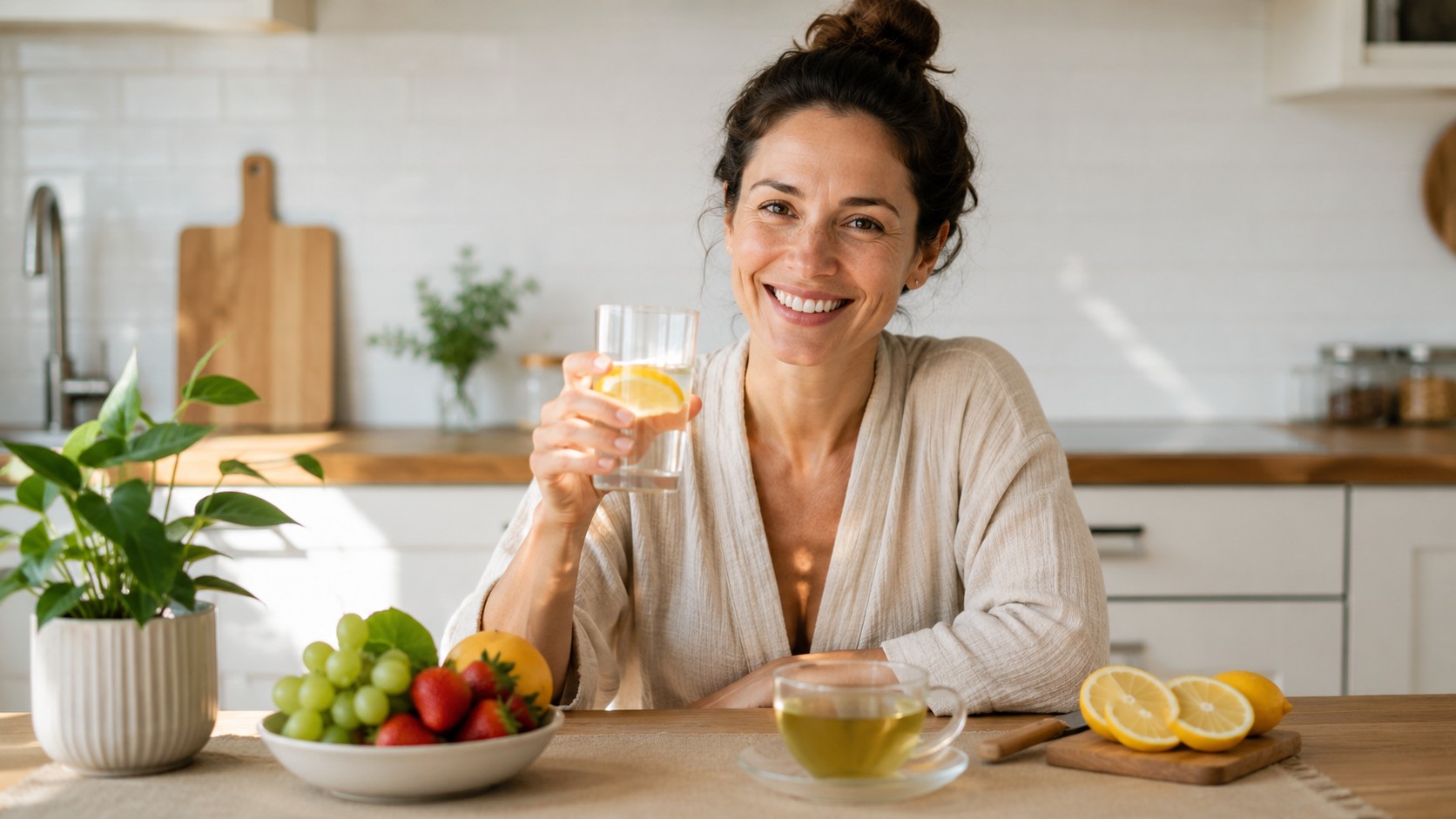
These are reliable indicators that your remedies are working and your body is actively repairing itself: noticeably better sleep and waking up rested, reduced anxiety and steadier mood throughout the day, clearer and more hydrated skin with less puffiness, easier digestion with less bloating and more regular bowel movements, steadier energy without the afternoon crash, less belly fat as cortisol normalizes, sharper focus and mental clarity, and cravings that feel less frequent and less intense as neurotransmitter levels recover.
What to Eat Every Day for Natural Alcohol Craving Reduction
Building your daily diet around these foods creates the physiological conditions in which alcohol cravings naturally fade, because you're addressing the root causes directly.
Eggs at breakfast provide complete protein for blood sugar stability, B vitamins to replace what alcohol depletes, and choline that supports liver function and neurotransmitter production. Fatty fish two to three times a week supplies omega-3s that restore dopamine and serotonin receptor sensitivity. Dark leafy greens daily provide magnesium, folate, and B vitamins that rebuild the neurotransmitter and stress hormone systems alcohol depletes. Fermented foods daily rebuild the gut microbiome and restore the gut-brain connection tied to dopamine and serotonin regulation. Avocado supplies potassium and healthy fats that support adrenal health and cortisol balance. Dark chocolate with at least 70 percent cacao provides magnesium, helps lower cortisol, and offers a natural dopamine boost that reduces the pull toward alcohol for reward. Bone broth supplies L-glutamine for both craving reduction and gut lining repair.
Final Thought
Cutting back on alcohol isn't a test of character or moral strength. It's a biological challenge that becomes far more manageable once you understand and address what's actually driving the cravings: unstable blood sugar, cortisol dysregulation, a damaged gut microbiome, depleted neurotransmitters, and habitual ritual.
The seven remedies in this guide address each of those mechanisms through food, daily habits, and natural alternatives that work with your body's own chemistry instead of against it. You don't need to grit your teeth through cravings when you can address why they're happening in the first place.
Start with blood sugar stabilization and gut repair, the two changes that tend to show the fastest, most noticeable impact on cravings. Add cortisol reduction, liver support, and nutrient replenishment over the first two weeks. Build your evening ritual in week two. Fix your sleep in week three. By day 30, most people find alcohol simply feels less necessary, not because they're resisting it, but because the physical drivers behind the craving have been addressed.
Your body knows how to heal. It just needs the right inputs to do it.
Note: This article is for informational and educational purposes only and does not constitute medical advice. If you are experiencing alcohol dependency, withdrawal symptoms, or related health conditions, please consult a qualified healthcare provider before making significant lifestyle changes. Severe alcohol withdrawal can be medically serious and may require professional supervision.