It starts as a warm glow on your skin after a day outside. By evening it's turned into something much less pleasant: tight, radiating heat, skin so sensitive that even a light touch feels like fire, and a shade of red that keeps deepening through the night. Sunburn is one of the most universally experienced skin injuries out there, yet most people have no real idea what's happening beneath the surface when UV radiation damages their skin, or which natural interventions can genuinely slow that damage and speed up recovery.
Sunburn isn't just skin that got hot. It's an acute inflammatory response triggered when ultraviolet radiation damages the DNA of skin cells so badly that those cells trigger their own programmed self-destruction (a process called apoptosis) to keep the damaged DNA from replicating and potentially turning cancerous. The redness, heat, pain, swelling, and eventual peeling are all part of this inflammatory and repair process running at full speed.
Understanding what's happening at the cellular level changes how you approach treatment, because the most effective natural remedies aren't just things that feel cooling and soothing. They're compounds with real biological activity that interrupt the inflammatory cascade, support cellular repair, replenish nutrients the skin burns through faster during recovery, and protect the remaining healthy cells from further UV damage.
The nine remedies below do exactly that, and the science behind each one explains why.
What Sunburn Actually Does to Your Skin: The Biology Behind the Burn
Ultraviolet radiation reaches skin in two main forms: UVA rays, which penetrate deep into the dermis and drive photoaging, collagen breakdown, and indirect DNA damage, and UVB rays, which are mostly absorbed in the outer epidermis and cause the direct DNA damage behind the acute inflammatory sunburn response.
When UVB radiation hits skin cells, it creates pyrimidine dimers, abnormal bonds between neighboring thymine bases in DNA that distort the strand and block normal replication. Skin cells detect this damage through their own repair surveillance systems and attempt to fix it via nucleotide excision repair. When the damage is too extensive to repair, the p53 protein signals the cell to undergo apoptosis rather than risk replicating faulty DNA.
At the same time, damaged skin cells release prostaglandins, cytokines, and other inflammatory mediators that trigger the vascular response responsible for the visible signs of sunburn: dilated blood vessels causing redness and heat, increased vascular permeability causing swelling, and sensitized pain receptor nerve fibers, which is why sunburned skin becomes so acutely uncomfortable to touch.
The peeling that shows up three to seven days after sunburn is the final stage of this process, the body shedding the layer of cells that underwent apoptosis and replacing them with fresh cells from the basal layer beneath. Each of the nine remedies in this guide targets one or more of these mechanisms to reduce inflammation, support cellular repair, and speed up the overall recovery.
9 Natural Remedies to Heal Sunburn Fast
1. Aloe Vera Gel, the Most Researched Natural Sunburn Treatment
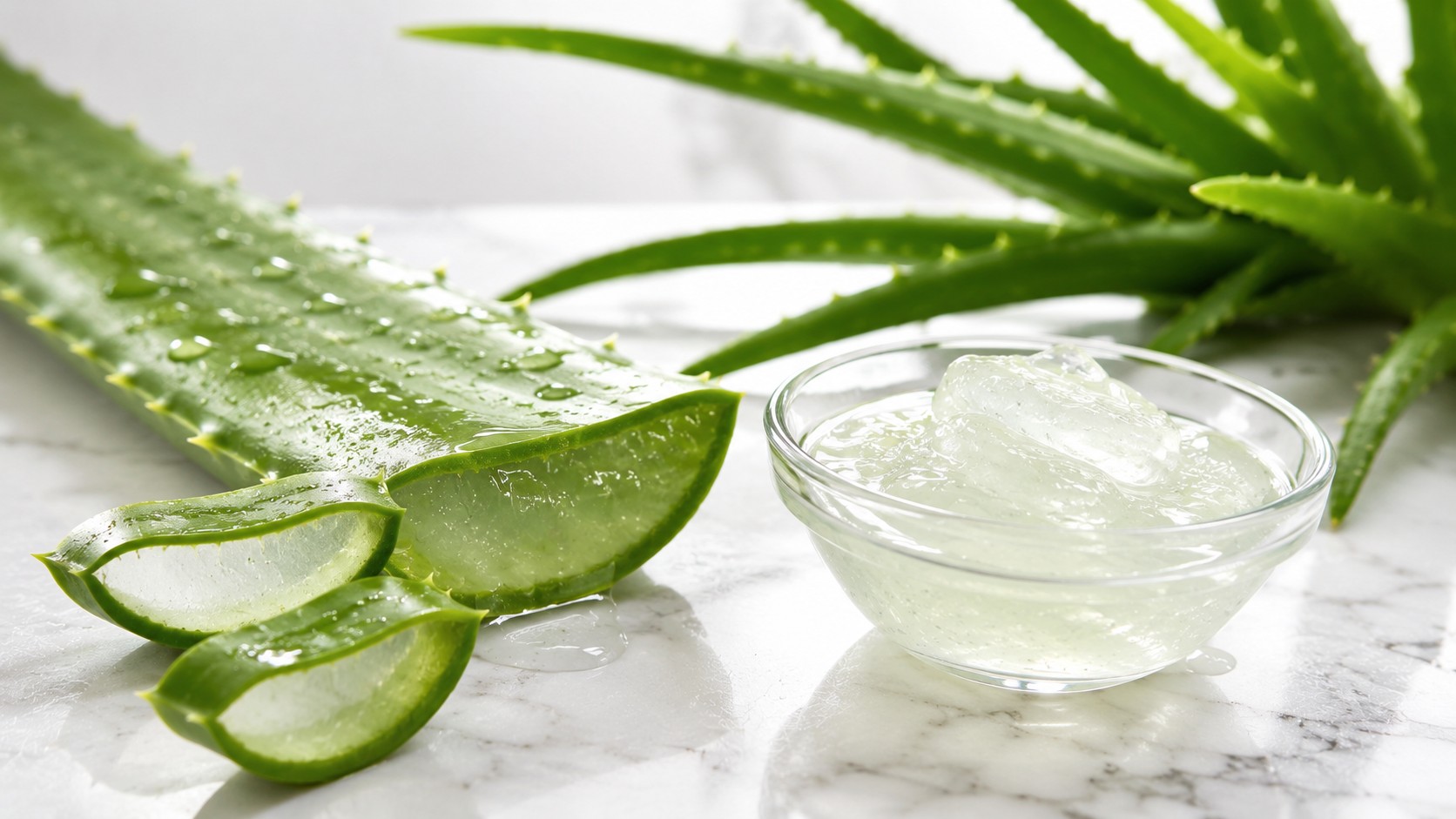
Aloe vera is the most widely used and most extensively studied natural sunburn remedy out there, and the research fully backs up its reputation. The clear gel inside the aloe leaf contains a mix of biologically active compounds that target the sunburn inflammatory response through several mechanisms at once.
Acemannan, the main polysaccharide in aloe vera gel, has shown significant anti-inflammatory activity by inhibiting prostaglandin synthesis, the same mechanism ibuprofen and other NSAIDs use, reducing the vascular inflammation behind sunburn redness, heat, and pain. Aloesin and aloin suppress UV-induced melanogenesis, cutting down on the hyperpigmentation and uneven darkening sunburn often leaves behind. Gibberellins and glucomannans in aloe vera gel stimulate fibroblast activity and collagen synthesis in the dermis, directly supporting the structural skin repair that follows UV damage. Anthraquinones provide pain-relieving properties that reduce sensitivity in sun-damaged skin.
A systematic review published in the journal Burns confirmed that aloe vera significantly speeds up burn wound healing compared to control treatments, cutting healing time by an average of nine days. Several studies looking specifically at UV-induced skin damage have confirmed aloe vera's ability to reduce inflammation, support epidermal repair, and reduce how severe and how long sunburn lasts.
For the best effect, use pure inner-leaf aloe vera gel, either straight from a freshly cut plant or from a product containing at least 95 percent pure aloe vera with no added alcohol, which would work against the hydrating and anti-inflammatory effects. Apply a generous layer to all sunburned areas and let it fully absorb rather than wiping it off. Refrigerating the gel before applying adds a cooling effect for immediate, temporary pain relief while the active compounds get to work.
2. Cold Compress and Cool Water, Immediate Inflammation Interruption
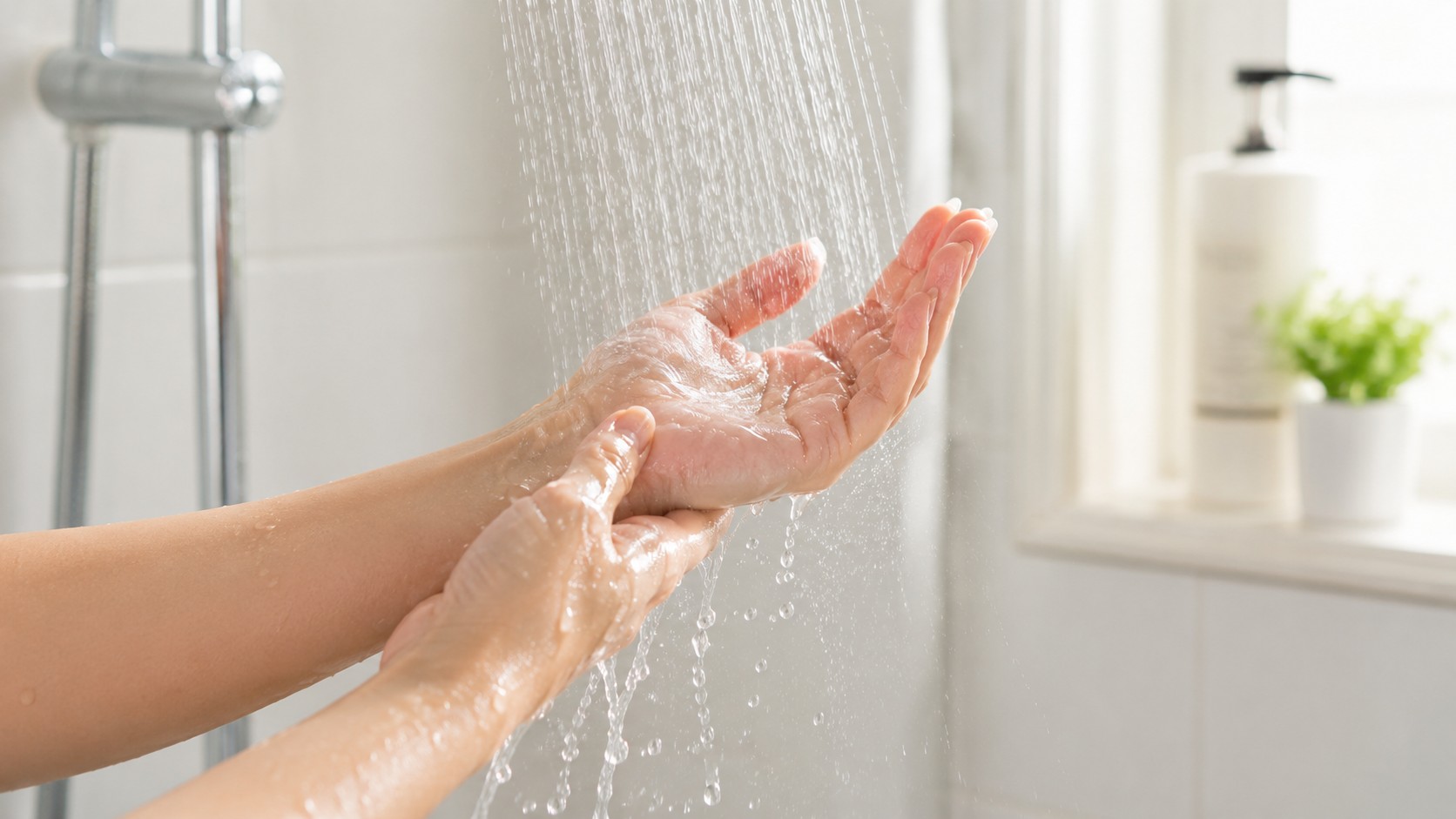
The most immediately useful first response to sunburn is cool water or cold compresses on the affected skin, and the reason it works goes beyond simple temperature relief into actually interrupting inflammation.
Cooling sunburned skin constricts the blood vessels that UV-induced inflammatory mediators have dilated, cutting blood flow to the area and reducing the vascular permeability that lets inflammatory fluid build up in tissue and cause swelling and heat. This constriction reduces the arrival of additional inflammatory mediators to the damaged area and provides the fastest available relief from the burning heat that makes severe sunburn so distressing.
Cool water, not cold, which can shock severely burned skin, and definitely not ice, which can cause frostbite on already sensitized skin, is the right temperature for immersion or showers. Aim for cool to lukewarm water when showering or bathing sunburned skin. Wet, cool cloths applied to badly burned areas give targeted relief between showers. The cooling effect wears off and needs repeating, but each application interrupts the inflammatory vascular response and buys a window of reduced pain during which other topical remedies can be applied.
Important: avoid soap, body wash, and especially fragranced products on sunburned skin. They strip away the skin's natural protective barrier and can introduce irritants to already inflamed tissue, making inflammation and pain worse. Stick to plain cool water for the first 24 to 48 hours of acute sunburn.
3. Green Tea, Antioxidant Repair From Inside and Out

Green tea deserves real attention as a natural sunburn remedy because it works through mechanisms no topical treatment can match, specifically by addressing the systemic oxidative stress sunburn creates throughout the body, not just at the skin surface.
UV radiation generates free radicals, unstable molecules that damage cellular structures including DNA, membrane lipids, and proteins, in skin cells right at the point of exposure. But the systemic inflammatory response that follows also creates significant oxidative stress throughout the body as the immune system reacts to the skin injury. Epigallocatechin gallate (EGCG), the primary catechin in green tea and one of the more potent antioxidants found in nature, neutralizes these free radicals both systemically when drunk as tea and locally when applied to the skin.
Research published in the Journal of Photochemistry and Photobiology found that EGCG applied to skin before and after UV exposure significantly reduced UV-induced DNA damage, cut inflammatory cytokine production in UV-exposed skin cells, and inhibited the inflammatory prostaglandin cascade driving sunburn pain and redness. The same research group found that drinking green tea regularly increased resistance to UV-induced skin damage, meaning consistent green tea drinking builds some internal photoprotection even before sun exposure happens.
For sunburn recovery, drink three to four cups of freshly brewed green tea daily to maximize systemic antioxidant and anti-inflammatory support. On top of that, brew a strong batch, let it cool completely, soak clean cloths in it, and apply as cool compresses to sunburned areas for 15 to 20 minutes. The tannins in green tea add extra astringent and anti-inflammatory activity when applied directly to inflamed skin.
4. Coconut Oil, Skin Barrier Repair and Moisture Retention
Coconut oil is one of the more popular natural sunburn remedies and one of the more nuanced ones, because how you use it depends entirely on the stage of recovery. Applying it at the wrong time can actually make things worse.
Coconut oil should never go on actively burning, hot, acutely inflamed sunburned skin in the first 24 to 48 hours after sun exposure. Oils create an occlusive barrier that traps heat in the skin and blocks the evaporative cooling that helps dissipate the thermal energy of acute sunburn. During that acute inflammatory phase, occlusive oils can worsen burning and intensify inflammation.
From day two or three onward though, once the acute heat and redness start subsiding and the skin shifts into repair and regeneration mode, coconut oil becomes a genuinely effective recovery remedy. The medium-chain fatty acids in coconut oil, particularly lauric acid and capric acid, have shown antimicrobial activity that protects the compromised skin barrier of peeling post-sunburn skin from bacterial colonization. The occlusive quality that was a problem in the acute phase becomes helpful during repair, reducing water loss through the damaged skin barrier and maintaining the moisture levels skin cell regeneration needs.
Vitamin E naturally present in coconut oil provides antioxidant protection to regenerating skin cells, while its emollient properties ease the tightness, itching, and discomfort that come with peeling sunburned skin. Apply a light layer of virgin, cold-pressed coconut oil to sunburned areas two to three times daily starting from day two of recovery, after aloe vera has absorbed.
5. Oatmeal Bath, Anti-Inflammatory Relief for Widespread Sunburn
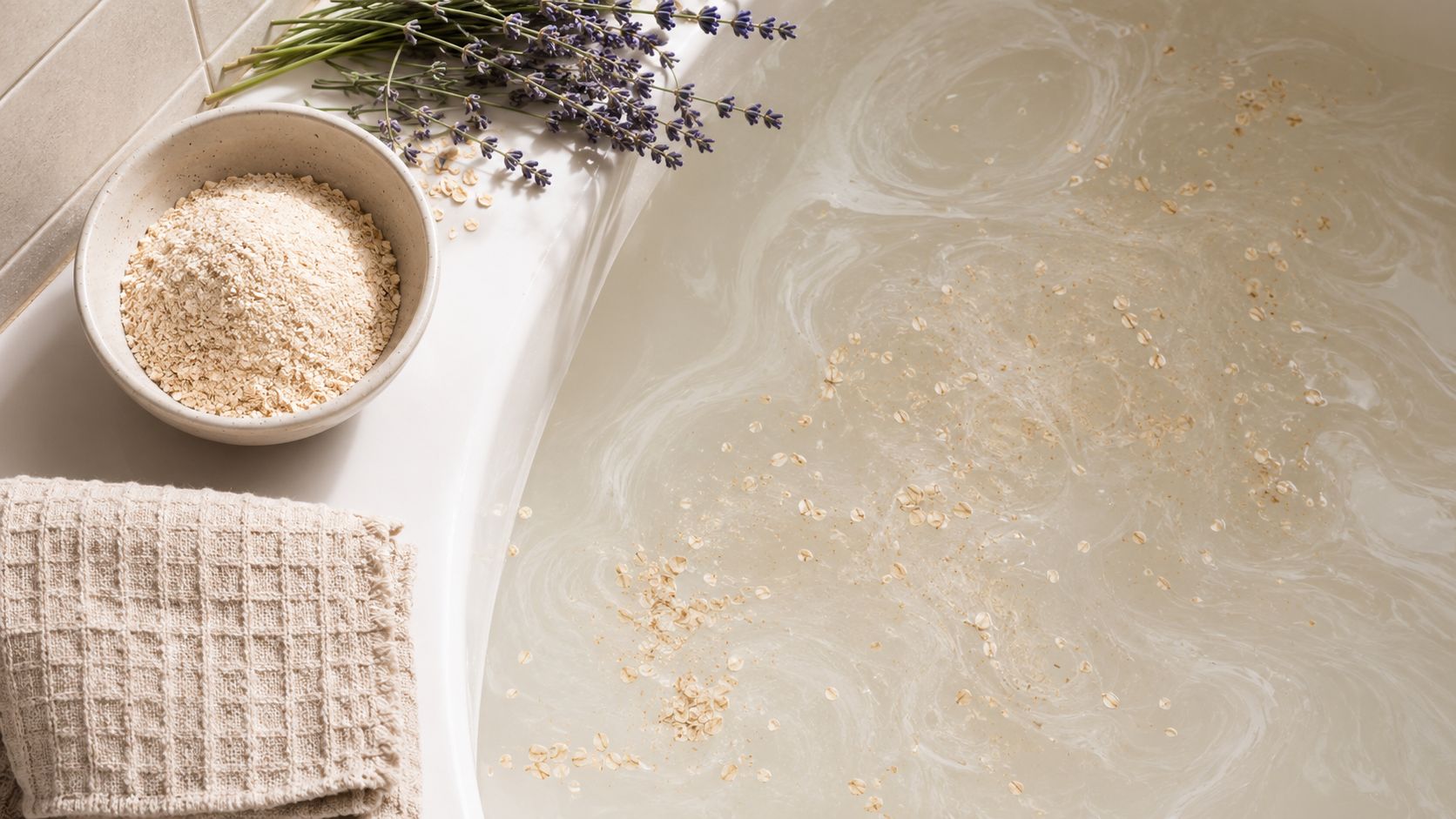
Colloidal oatmeal (finely ground oats suspended in water) is one of the more powerfully anti-inflammatory natural topical treatments available for any inflammatory skin condition, sunburn included, and it's the active ingredient in several clinically validated dermatological treatments for eczema, psoriasis, and contact dermatitis.
Colloidal oatmeal's anti-inflammatory effect on sunburned skin works through several pathways. Avenanthramides, polyphenol compounds unique to oats, directly inhibit the release of inflammatory cytokines including TNF-alpha and various interleukins from UV-damaged skin cells, easing the inflammation behind sunburn pain, redness, and swelling. Beta-glucan in oats forms a protective film over the skin that reduces moisture loss through the compromised sun-damaged barrier and creates a soothing buffer between sensitized pain receptors and environmental irritants. The slightly acidic pH of oatmeal water also helps restore the skin's natural acidic barrier that UV exposure disrupts, which matters for both comfort and protection against opportunistic infections in damaged skin.
To make a colloidal oatmeal bath for sunburn, blend one to two cups of plain, unflavored rolled oats into a very fine powder, add it to a cool (not cold, not hot) bath, stir it in well, and soak the affected areas for 15 to 20 minutes. Skip soap or any other product during the bath. Pat skin gently dry with a soft towel rather than rubbing, which would aggravate sensitized sunburned tissue. Apply aloe vera gel right after patting dry to lock in the anti-inflammatory benefits.
6. Apple Cider Vinegar, pH Restoration and Natural Antibacterial Protection
Apple cider vinegar, applied carefully, works as a natural sunburn remedy by helping restore the skin's natural acidic pH that UV radiation disrupts, offering mild antiseptic protection to a compromised skin barrier, and delivering acetic acid, which has shown anti-inflammatory activity in damaged tissue.
Healthy skin sits at a natural pH of roughly 4.5 to 5.5, mildly acidic, which is essential for the skin's acid mantle, the beneficial bacteria that live on the skin surface, and the activity of protective skin enzymes. UV damage temporarily throws this balance off, making skin more alkaline and more vulnerable to bacterial colonization and irritant penetration. Diluted apple cider vinegar helps restore that pH faster, creating better conditions for repair.
Important guidance: never apply undiluted apple cider vinegar to sunburned skin. Full-strength ACV can chemically irritate already sensitized, inflamed skin and cause significant additional pain or even a chemical burn on severely sunburned tissue. Always dilute one part ACV in four to six parts cool water before applying. Use a soft cloth or cotton pad, applied gently without rubbing. Any mild stinging some people feel initially should fade within seconds. If it persists or gets worse, rinse immediately with plain water and don't reapply.
7. Vitamin E Oil, Cellular Repair and Scar Prevention
Vitamin E is the skin's main fat-soluble antioxidant, the compound that protects cell membrane lipids from oxidative damage and helps keep skin cell membranes intact during and after UV damage. When UV radiation hits skin cells, it rapidly uses up local vitamin E stores as the antioxidant sacrifices itself to neutralize UV-generated free radicals and protect cell membranes. Restoring that depleted vitamin E, both topically and through diet, directly speeds up the skin's ability to repair UV damage.
Vitamin E oil applied topically penetrates the epidermis and is absorbed into the cell membranes of regenerating skin cells, providing the antioxidant protection UV exposure stripped away. Research has shown topical vitamin E reduces the severity of UV-induced redness, reduces the lipid peroxidation UV radiation causes in skin cell membranes, and supports collagen synthesis in the dermis during the repair phase.
Apply vitamin E oil, either pure vitamin E oil or a carrier oil naturally rich in it like sunflower seed oil or sweet almond oil, to sunburned skin from day two of recovery onward, once the acute inflammatory heat has calmed down. Dietary vitamin E supports repair from within at the same time: sunflower seeds, almonds, hazelnuts, spinach, broccoli, and avocado are the richest natural sources and should be a priority throughout recovery.
8. Anti-Inflammatory Diet, Healing From the Inside Out

Topical remedies handle sunburn at the skin surface, but the inflammatory cascade sunburn triggers operates systemically, and what you eat during recovery either amplifies or calms that systemic inflammation, directly affecting how fast your skin heals and how much lasting damage the UV exposure causes.
The nutrients most heavily depleted and used up during sunburn recovery are vitamin C, vitamin E, beta-carotene, zinc, and omega-3 fatty acids, all of which need replenishing through diet to support cellular repair running at full tilt. Vitamin C matters especially because it's the essential cofactor for collagen synthesis, the process by which the dermis repairs the structural protein damage UV radiation causes. Every bit of new collagen laid down during repair requires vitamin C, and low levels directly slow healing. Red bell peppers, kiwi, strawberries, broccoli, and citrus fruit are the richest natural sources and should be eaten daily during recovery.
Omega-3 fatty acids from fatty fish, walnuts, and flaxseed directly reduce the prostaglandin-driven inflammation behind sunburn pain and redness by competing with the omega-6 arachidonic acid pathway that produces inflammatory prostaglandins. Several studies have shown that higher dietary omega-3 intake reduces UV-induced skin inflammation and speeds up resolution of UV-induced redness.
Beta-carotene from orange and yellow vegetables like sweet potatoes, carrots, mangoes, and papaya builds up in the skin and provides both antioxidant protection against UV-generated free radicals and support for regenerating sun-damaged skin cells. Zinc from pumpkin seeds, chickpeas, and beef directly supports wound healing and gets used up quickly during skin repair. Lycopene from cooked tomatoes and watermelon has specific research support for reducing UV skin damage when eaten regularly both before and after sun exposure.
For a detailed guide on anti-inflammatory foods that support skin healing and reduce the systemic inflammation sunburn triggers, see our full guide: 7 Natural Ways to Lower Cortisol and Get Your Glow Back. Every anti-inflammatory food strategy there directly supports sunburn recovery too.
9. Hydration and Gut Support, the Internal Healing Foundation
Sunburn pulls significant fluid from the body's internal reserves toward the skin surface as part of the inflammatory response, creating a systemic dehydration effect that most people don't realize is contributing to the headache, fatigue, dizziness, and nausea that often come with a bad sunburn. Aggressive internal hydration during recovery isn't optional; it's the foundation everything else depends on.
Drink at least 2.5 to 3 liters of water a day during sunburn recovery, more than your usual intake, to replace the fluid being diverted to the inflammatory response at the skin surface and support kidney function as it processes increased inflammatory waste. Coconut water provides natural electrolytes including potassium and sodium that support hydration at the cellular level more effectively than plain water alone during significant fluid loss.
Your gut microbiome plays a bigger, more underappreciated role in sunburn recovery than most people realize, through its influence on systemic inflammation. A diverse, healthy gut microbiome produces short-chain fatty acids that reduce the inflammatory cytokine signaling that amplifies sunburn inflammation throughout the body. On the flip side, an imbalanced gut can let inflammatory bacterial endotoxins into the bloodstream, adding to the inflammatory burden sunburn is already creating.
Eating probiotic-rich fermented foods like kefir, plain yogurt, and kimchi during recovery actively supports the gut-driven anti-inflammatory response that helps sunburn resolve faster. For a full guide to gut healing that directly supports your body's inflammatory response and skin recovery, see our guide: 7 Natural Remedies to Heal Your Gut in 30 Days (No Supplements Needed).
How to Prevent Sunburn Naturally, Before You Step Outside
The most effective sunburn treatment is the one you never need because you prevented the burn in the first place. Natural sunburn prevention comes down to understanding UV timing, physical barriers, and the growing evidence for dietary photoprotection, the ability of certain foods to reduce UV sensitivity from within.
Avoiding direct sun exposure between 10 a.m. and 4 p.m., when UVB radiation peaks, is the single most effective prevention strategy no matter your skin tone. Seeking shade, wearing tightly woven clothing that physically blocks UV radiation, and wearing broad-brimmed hats that protect the face, neck, and ears (the areas most commonly and most severely burned) offer physical protection no topical product can fully replace.
Dietary photoprotection through regular consumption of lycopene-rich foods like cooked tomatoes, watermelon, and pink grapefruit has shown meaningful UV protection in clinical research when eaten consistently over at least ten weeks. Beta-carotene from orange vegetables builds up in the skin and provides antioxidant protection against UV-generated free radicals. Regular green tea drinking has shown UV-protective effects through EGCG buildup in skin tissue. These dietary strategies don't replace physical sun protection, but they meaningfully reduce UV damage at the cellular level when physical protection falls short.
Sunburn Severity Guide: When to Treat at Home vs. Seek Medical Help
Knowing the difference between sunburn severities helps you choose the right path between natural home treatment and medical attention.
First-degree sunburn, the most common type, involves only the outermost epidermal layer, causes redness, warmth, and mild to moderate pain, and resolves fully within three to seven days. Natural home remedies work well for first-degree sunburn, and medical treatment is usually unnecessary.
Second-degree sunburn goes deeper into the epidermal layers and sometimes the upper dermis, causing severe redness, significant swelling, intense pain, and blistering. Small areas of blistering can be managed at home with careful attention to protecting the blisters. Never pop sunburn blisters, since that removes the protective barrier over healing tissue and significantly raises infection risk. Extensive blistering, blisters covering large areas of the body, or blisters on the face, hands, feet, or genitals need medical attention.
Seek emergency medical care right away for sunburn accompanied by a fever above 38 degrees Celsius, severe chills, confusion, extreme dizziness, a rapid pulse, or loss of consciousness. These signs point to possible heat stroke or sun poisoning that needs treatment beyond what natural remedies can handle.
The Complete Natural Sunburn Healing Timeline
Knowing what to expect at each stage of recovery helps you apply the right remedies at the right time for the best effect.
Hours 1 to 6 after sun exposure: the inflammatory cascade is just starting. Apply cool water right away. Start aggressive hydration. Apply refrigerated aloe vera gel to all burned areas. No oils, no occlusive products. Take a cool shower without soap. Drink green tea.
Hours 6 to 24: inflammation is peaking. Keep up cool compresses. Reapply refrigerated aloe vera every two to three hours. Keep hydration maximized. Take a colloidal oatmeal bath. Eat anti-inflammatory foods rich in vitamin C, omega-3, and beta-carotene. Wear loose, soft, natural-fabric clothing over burned areas.
Days 2 and 3: acute heat is fading, repair is beginning. Continue aloe vera. Start applying diluted ACV to restore skin pH. Start applying vitamin E oil to support cellular repair. Start applying coconut oil after aloe vera has absorbed. Continue the anti-inflammatory diet and hydration.
Days 4 to 7: peeling phase. Keep using coconut oil and vitamin E to ease peeling discomfort and itching. Never peel skin manually; removing peeling skin too early exposes raw healing tissue and raises scarring risk. Continue probiotic foods for gut-driven anti-inflammatory support. Skin sensitivity to sun exposure stays elevated for two to four weeks after visible healing, so avoid prolonged re-exposure and keep up physical sun protection.
Final Thought
Sunburn is your skin's most urgent biological distress signal: UV damage so severe that cells are destroying themselves to protect you from cancer. Treating it with the seriousness that deserves means going beyond temporary soothing and addressing the full inflammatory, oxidative, and cellular repair process UV damage sets off.
Start with cool water and aloe vera within minutes of realizing you've burned. The earlier these interventions start, the more of the inflammatory cascade they interrupt before it reaches full intensity. Add green tea internally and as a compress, colloidal oatmeal baths, and anti-inflammatory nutrition right away. Move to coconut oil and vitamin E from day two as repair begins. Support all of it with aggressive hydration and gut health from day one through full recovery.
Your skin knows how to repair itself. These nine natural remedies simply give it everything it needs to do that job as quickly, completely, and safely as possible.
Note: This article is for informational and educational purposes only and does not constitute medical advice. Severe sunburn, extensive blistering, signs of heat stroke or sun poisoning, or sunburn in children under one year of age requires immediate professional medical attention. Never delay seeking emergency care for serious sun exposure symptoms.