Flu prevention starts with an annual flu vaccine, alongside everyday steps that reduce exposure and spread. Cleaner indoor air, hand hygiene, covering coughs, limiting contact while sick and appropriate mask use all have a role. No single measure guarantees that you will avoid influenza.
The aim is to reduce both infection risk and the chance of serious illness. A practical plan also considers the people around you, especially those who are more vulnerable to complications.
This article provides general health information. Vaccine eligibility, products and timing depend on your location and individual circumstances.
- Main flu prevention steps
- Annual flu vaccination
- Who should seek vaccine advice?
- Cleaner indoor air
- Hand hygiene and cough etiquette
- Masks as added protection
- What to do when sick
- Protecting higher-risk people
- Prevention questions
How to prevent flu: The main steps
| Measure | Practical action |
|---|---|
| Vaccination | Ask about the current seasonal flu vaccine |
| Cleaner air | Improve ventilation or filtration where practical |
| Hygiene | Wash hands and cover coughs and sneezes |
| Precautions during illness | Stay home and limit close contact |
| Added protection | Consider a well-fitted mask in situations with greater risk |
Choose steps you can maintain consistently. Before a busy season, check vaccination plans, make handwashing supplies accessible, and consider how you would reduce contact if someone becomes ill.
Source: CDC seasonal flu prevention guidance.
Why is an annual flu vaccine important?
Protection from a previous vaccination declines over time, and influenza viruses change. Vaccine composition is reviewed each year to address the viruses expected to circulate.
Vaccination is not perfect protection. Its effectiveness varies with factors such as circulating viruses, age and health. People can still get flu after vaccination, but vaccination can reduce illness severity and serious outcomes.
When does protection develop?
It takes about two weeks for protective antibodies to develop. A flu vaccine does not provide immediate protection and does not treat an infection that has already started.
For many people in the United States, September and October are generally suitable vaccination months. Other countries and climates have different flu patterns. Ask a local vaccination service about timing rather than applying a US calendar everywhere.
Source: CDC key facts about seasonal flu vaccination.
Who should get advice about flu vaccination?
In the United States, CDC recommends seasonal flu vaccination for everyone aged six months or older, with rare exceptions. The appropriate vaccine depends on age, health history and other circumstances.
Ask a clinician or vaccination service which product is suitable if you are pregnant, have relevant health conditions, or have had a severe reaction to a previous vaccine. The nasal spray vaccine is not appropriate for everyone, including during pregnancy.
Some children need two doses in a season. Check the child's vaccination history and required schedule with the provider. Babies younger than six months are too young for a flu vaccine.
Source: CDC guidance on who needs a flu vaccine.
What about side effects?
Flu vaccines cannot cause flu. Temporary effects such as soreness at the injection site, headache or mild fever can occur. Severe allergic reactions are rare. Seek emergency help for concerning reactions such as breathing difficulty or swelling around the lips or eyes.
Source: CDC flu vaccine safety guidance.
Improve indoor air to reduce exposure
Respiratory viruses can spread through the air, particularly in crowded indoor spaces with poor airflow. Cleaner air helps reduce the concentration of infectious particles.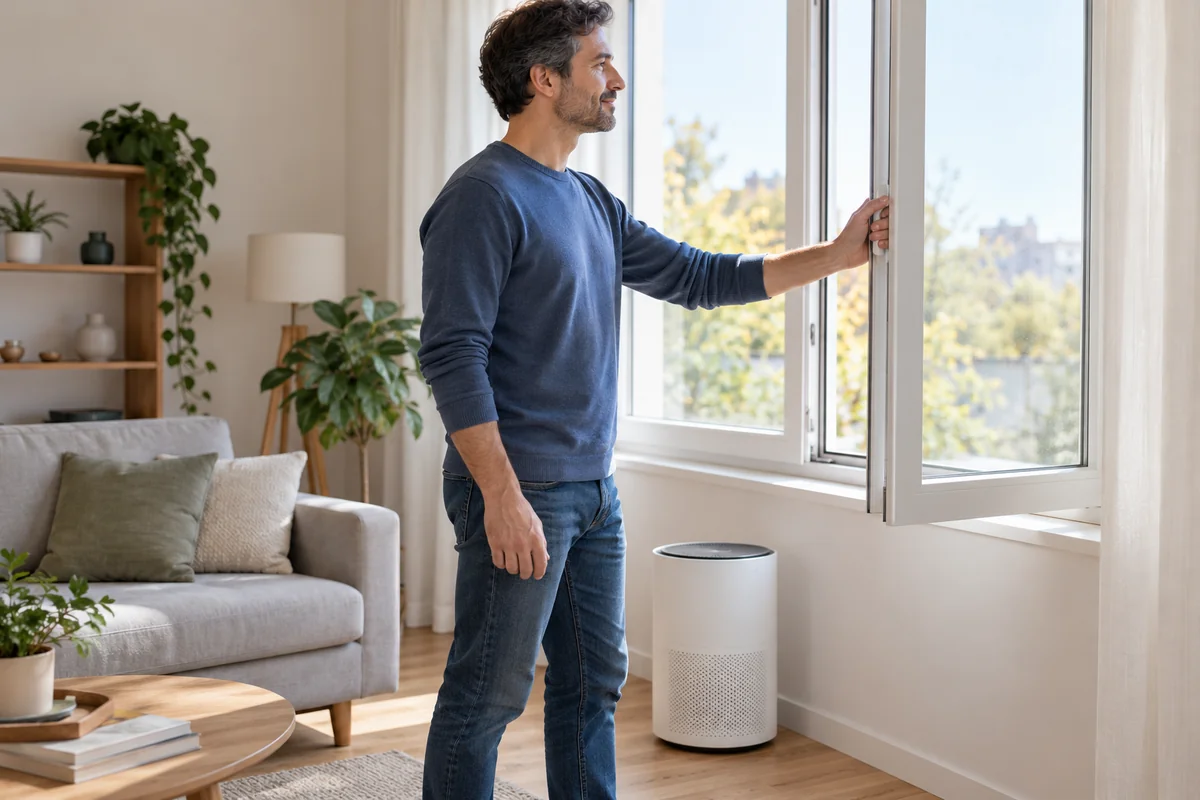
- Open windows or doors when safe and practical.
- Use ventilation systems and maintain filters according to instructions.
- Consider a suitable portable HEPA air cleaner.
- Move gatherings outdoors when circumstances allow.
Choose measures that suit the room and conditions. Cleaner air is useful alongside vaccination and illness precautions; it is not a guarantee that close contact is risk-free.
Source: CDC cleaner-air guidance.
Hand hygiene and cough etiquette
Wash your hands regularly with soap and water. If these are unavailable, use hand sanitizer containing at least 60 percent alcohol. Cleaning your hands helps reduce the transfer of germs when you touch your face.
Cover a cough or sneeze with a tissue, then discard it. If you have no tissue, use your elbow rather than your hands. Clean frequently touched surfaces, including handles and countertops, regularly.
Make these habits easy for children by keeping supplies accessible and helping them learn the routine. Hygiene supports prevention, while air quality and close-contact precautions address other routes of exposure.
Source: CDC respiratory hygiene guidance.
When can a mask add protection?
A well-fitted mask can reduce respiratory virus transmission. It helps an infected person limit particles released into the surroundings and can help protect the wearer.
Added protection may be particularly useful around someone at higher risk, after illness, or in crowded indoor settings. Cover both your nose and mouth and choose a mask that fits comfortably with minimal gaps.
Protection varies with mask type, fit and use. A mask complements other measures; it does not replace staying home while ill.
Source: CDC mask guidance.
Reduce flu spread when you become ill
Stay home and away from others while sick. Under CDC general community guidance, you can resume activities after at least 24 hours of both overall improvement and no fever without fever-reducing medicine.
Use added precautions for the next five days, such as cleaner air, hygiene, a well-fitted mask and distancing when appropriate. If fever returns or symptoms worsen, stay home again.
Follow local requirements and setting-specific instructions. Schools, workplaces and healthcare facilities may have additional policies.
Source: CDC community precautions when sick.
CDC also gives flu-specific advice that people with suspected or confirmed flu without fever should stay home from work for at least five days after symptoms begin.
Source: CDC flu advice when sick. See our guide to how long flu is contagious for more detail.
Protect people at higher risk of complications
Flu can be more serious for older adults, young children, pregnant people, and people with certain chronic conditions or weakened immune systems. Discuss prevention and early-care plans with a clinician if someone in your household belongs to these groups.
Limit close contact with an ill household member where possible. Consider practical ways to provide care while using cleaner air, hygiene and appropriate added precautions. Vaccination advice is particularly important for caregivers of vulnerable people.
Sources: CDC higher-risk groups and CDC flu prevention.
Have a plan for symptoms
If a higher-risk person develops suspected flu, contact a healthcare professional promptly. Antivirals work best when started early, usually within two days. Later treatment may still help people with severe illness or higher-risk conditions.
Source: CDC flu treatment. Read our flu treatment guide.
Seek emergency help for breathing difficulty, persistent chest pain or pressure, confusion or difficulty waking. Do not let prevention plans delay urgent care.
Source: CDC flu warning signs. Our flu symptoms guide explains recognition and warning signs in more detail.
Common questions about flu prevention
Can you still get flu after vaccination?
Yes. Vaccination reduces risk but does not eliminate it. It can also help reduce severity if you become infected.
Can the flu vaccine give you flu?
No. Vaccine side effects can occur, but they are different from influenza infection.
Do antiviral medicines replace vaccination?
No. Antivirals are prescription treatments for appropriate patients. Vaccination remains an important preventive measure.
Sources: CDC vaccine facts, CDC vaccine safety and CDC flu prevention.